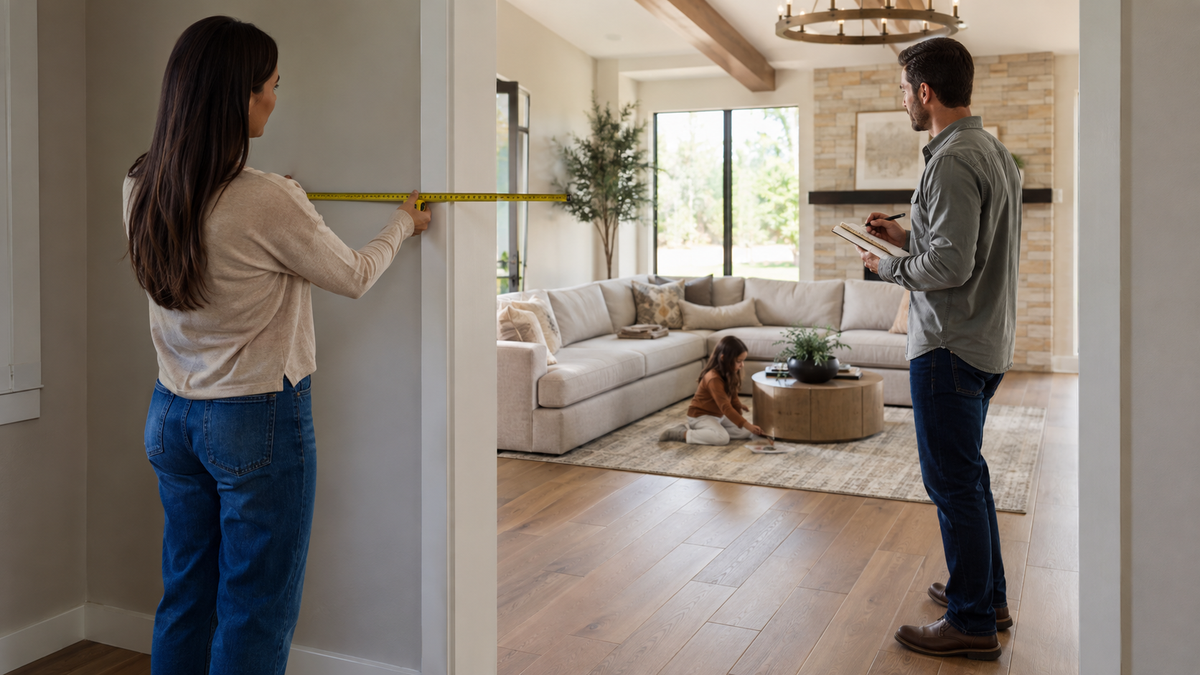
Modern Living Reimagined: 10 Futuristic House Ideas Shaping Tomorrow’s Homes

Introduction & Background
As the world moves forward, so does the concept of home. Modern living is no longer confined to traditional walls and roofs, but rather reimagined through innovation and technology. Homes today are evolving into intelligent, sustainable, and adaptable spaces that cater to the changing needs of families and individuals. The shift is driven by advancements in smart technology, environmental awareness, and a desire for convenience without compromising on style or comfort. Tomorrow’s homes will not just shelter us, but also enhance our lives in ways previously unimaginable. This transformation is reshaping how we think about living spaces, blending architecture with cutting-edge solutions to create environments that are both futuristic and functional.
Concept & Overview
The idea of futuristic homes revolves around integrating technology, sustainability, and adaptability into residential design. These homes prioritize efficiency, connectivity, and personalization, ensuring that every aspect of the living experience is optimized for modern lifestyles. From self-sustaining energy systems to AI-driven management, the core principle is to create spaces that are not only smart but also responsive to the needs of their inhabitants. The focus is on reducing environmental impact while improving quality of life through intelligent design and innovative materials. This approach challenges conventional housing norms and paves the way for a new era of residential living.
Key Features & Highlights
- Smart Automation Systems: Homes equipped with AI-powered assistants can manage lighting, temperature, security, and entertainment systems with voice commands or through mobile apps. These systems learn user preferences over time, creating a personalized and efficient living environment.
- Sustainable Energy Solutions: Solar panels, wind turbines, and geothermal heating systems are becoming standard in futuristic homes. These solutions not only reduce reliance on traditional power grids but also lower utility costs and carbon footprints.
- Modular and Adaptable Layouts: Walls that can be reconfigured, furniture that transforms with needs, and spaces that serve multiple purposes are key features. This flexibility allows homes to evolve alongside the changing lifestyles of their occupants.
- Advanced Insulation and Materials: High-performance insulation, self-healing concrete, and eco-friendly building materials improve energy efficiency and durability. These innovations ensure homes remain comfortable and sustainable for years to come.
- Biophilic Design Elements: Incorporating natural elements like indoor gardens, living walls, and large windows that maximize natural light fosters a connection with nature. This design approach is proven to enhance well-being and reduce stress.
- Water Conservation Technologies: Rainwater harvesting systems, greywater recycling, and low-flow fixtures help minimize water usage without sacrificing convenience. These technologies are essential in areas facing water scarcity.
- Integrated Health and Wellness Features: Homes designed with air purification systems, circadian lighting, and ergonomic spaces promote physical and mental health. These features create environments that actively contribute to well-being.
- Autonomous Vehicles and Smart Garages: Homes with dedicated spaces for electric and self-driving cars make daily commutes seamless. Smart garages can even charge vehicles while optimizing parking space usage.
- Virtual Reality and Augmented Reality Integration: Homeowners can visualize renovations or new furniture placements before making changes. These technologies also enhance entertainment and remote work experiences within the home.
- Community and Connectivity Hubs: Futuristic homes are increasingly part of larger smart communities, where shared resources and digital networks foster a sense of belonging. High-speed internet and IoT connectivity ensure residents stay connected to both local and global networks.
Frequently Asked Questions / Pros & Cons
What makes a house truly futuristic?
A futuristic house is characterized by its integration of advanced technologies, sustainable practices, and adaptable designs. These homes often feature smart automation, energy-efficient systems, and materials that enhance durability and comfort. The goal is to create a space that is not only technologically advanced but also responsive to the needs of its occupants while minimizing environmental impact.
Are futuristic homes affordable to build or maintain?
While the initial cost of building a futuristic home can be higher due to advanced technologies and materials, long-term savings are significant. Energy-efficient systems reduce utility bills, and smart automation can lower maintenance costs by preventing issues before they arise. Additionally, government incentives for sustainable housing can offset some of the upfront expenses. Over time, these homes often prove to be more cost-effective than traditional ones.
Do futuristic homes require constant internet connectivity?
Most futuristic homes rely on internet connectivity to function optimally, especially those with smart automation systems, IoT devices, and virtual reality integrations. However, many systems can operate offline or with minimal connectivity for basic functions. Backup systems and local networks can ensure that essential features remain operational even during internet outages. The level of dependency varies depending on the specific technologies implemented in the home.
Pros and Cons of Futuristic Homes
Pros:
- Enhanced comfort and convenience through automation and personalization.
- Lower energy bills and reduced environmental impact due to sustainable technologies.
- Improved health and well-being with features like air purification and biophilic design.
- Increased property value due to cutting-edge technology and modern amenities.
- Greater flexibility and adaptability to changing lifestyles and needs.
Cons:
- High initial construction and setup costs for advanced technologies and materials.
- Potential privacy concerns with extensive data collection by smart systems.
- Dependence on technology, which may require regular updates and maintenance.
- Limited availability of some futuristic features in certain regions or markets.
- Complexity in managing and troubleshooting advanced systems for non-tech-savvy users.
Practical Guidance & Solutions
For those considering a futuristic home, start by identifying which features align best with your lifestyle and budget. Prioritize energy efficiency and sustainability, as these will yield long-term benefits. Consult with architects and builders experienced in smart home technologies to ensure seamless integration of systems. Consider phased implementation, starting with foundational elements like insulation and smart lighting, before adding more advanced features. Invest in reliable internet connectivity and backup power solutions to keep systems running smoothly. Finally, stay informed about advancements in home technology to future-proof your investment, and explore community resources or government incentives to help offset costs.
Conclusion
The homes of tomorrow are not just about aesthetics or size, but about creating intelligent, sustainable, and adaptable spaces that enrich our daily lives. From smart automation to biophilic design, these innovations are redefining modern living and setting new standards for comfort, efficiency, and environmental responsibility. As technology continues to evolve, so too will our living spaces, offering endless possibilities for how we interact with and inhabit our homes. By embracing these futuristic concepts today, we can build a tomorrow that is not only smarter and greener but also more connected and fulfilling. The future of living is here, and it is more exciting than we ever imagined.