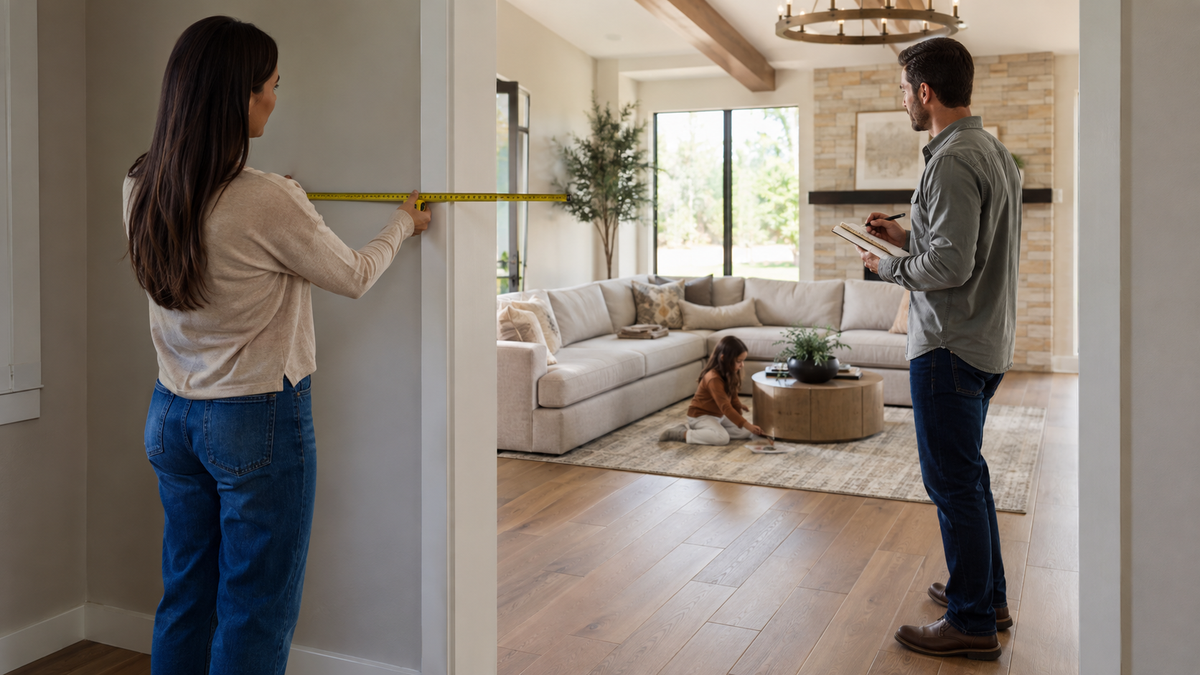
The House That Dream Built

The House That Dream Built
In an era where ambition and creativity intersect, few stories capture the imagination quite like that of The House That Dream Built. This initiative has become a symbol of innovation, sustainability, and community empowerment, reshaping how people think about housing and modern living. But what exactly is The House That Dream Built, and why does it matter so much to so many?
Introduction & Background
The House That Dream Built emerged from a vision to create housing solutions that are not only affordable but also environmentally conscious and deeply connected to the dreams of the people who live in them. Founded by a group of architects, social activists, and environmentalists, the project began as a response to the growing housing crisis in urban and rural areas alike. The founders recognized that traditional housing models often failed to meet the needs of diverse communities, especially those with limited financial resources.
What started as a small pilot program quickly gained momentum, attracting attention from governments, non-profits, and individuals who saw its potential to transform communities. The initiative emphasizes collaboration between residents, designers, and local authorities to ensure that every home built is a perfect fit for its inhabitants. By prioritizing sustainability, affordability, and inclusivity, The House That Dream Built has redefined what it means to create a home in the 21st century.
Concept & Overview
The core idea behind The House That Dream Built is to build homes that reflect the aspirations and values of their occupants. Unlike conventional housing projects that follow rigid designs and standardized layouts, this initiative encourages personalization and flexibility. The process begins with a deep consultation with future residents to understand their needs, dreams, and cultural backgrounds. This ensures that each home is not just a structure but a living space that truly feels like a sanctuary.
Another key principle is sustainability. The initiative integrates eco-friendly materials, energy-efficient systems, and renewable energy sources to minimize environmental impact. From solar panels to rainwater harvesting, every feature is designed to reduce carbon footprints and promote healthy living. Additionally, the use of local and recycled materials supports local economies and reduces transportation emissions.
The model also emphasizes community building. Instead of isolated homes, the initiative often incorporates shared spaces such as gardens, playgrounds, and community centers. These spaces foster social interaction, strengthen bonds, and create a sense of belonging among residents. By combining innovative architecture with a people-centered approach, The House That Dream Built stands out as a blueprint for future housing projects.
Key Features & Highlights
- Customizable Designs: Every home is tailored to the lifestyle and preferences of its occupants, allowing for personalized layouts, colors, and materials.
- Sustainable Materials: The project uses locally sourced, recycled, and non-toxic materials to ensure environmental responsibility and safety for residents.
- Energy Efficiency: Homes are equipped with solar panels, energy-efficient windows, and smart insulation to reduce energy consumption and lower utility bills.
- Community Spaces: Shared areas like communal kitchens, gardens, and recreational facilities encourage interaction and foster a strong sense of community.
- Affordable Financing: The initiative offers flexible payment plans, grants, and partnerships with financial institutions to make homeownership accessible to low-income families.
- Cultural Inclusivity: Designs incorporate elements that respect and celebrate the cultural heritage of residents, ensuring that homes feel welcoming and familiar.
- Long-Term Support: After construction, the project provides ongoing support through workshops, maintenance services, and community events to sustain the well-being of residents.
Frequently Asked Questions / Pros & Cons
What makes The House That Dream Built different from traditional housing projects?
The primary difference lies in its people-centered approach. Traditional projects often prioritize cost and speed over customization and sustainability. In contrast, this initiative focuses on listening to residents’ needs and building homes that align with their dreams and values. It also places a strong emphasis on environmental responsibility and community building.
How are the homes designed and built?
The design process begins with in-depth consultations with future residents to understand their requirements. Architects and designers then create flexible layouts that can be adjusted based on feedback. Construction uses sustainable materials and energy-efficient techniques. The entire process is collaborative, ensuring that every detail reflects the community’s vision.
Are these homes truly affordable for low-income families?
Yes, affordability is a core principle of the initiative. The project partners with financial institutions to offer low-interest loans, grants, and flexible payment options. Additionally, the use of locally sourced materials reduces construction costs, making homeownership more accessible.
What sustainability features do the homes include?
Homes are built with eco-friendly materials such as bamboo, reclaimed wood, and recycled steel. They incorporate solar panels, rainwater harvesting systems, and energy-efficient appliances. The design also maximizes natural light and ventilation to reduce reliance on artificial heating and cooling.
Can residents modify their homes after construction?
Yes, the initiative encourages adaptability. Residents can request changes to their homes even after construction, as long as modifications align with sustainability guidelines. This flexibility ensures that homes evolve with the changing needs of their occupants.
What challenges does The House That Dream Built face?
One of the main challenges is securing consistent funding and partnerships to scale the initiative. Regulatory hurdles and zoning laws can also slow down projects, especially in densely populated areas. Additionally, changing economic conditions may impact affordability for some families.
How can communities get involved or support the initiative?
Communities can participate by volunteering in construction, providing feedback during the design phase, or advocating for policy changes that support sustainable housing. Donations, sponsorships, and partnerships with local businesses are also valuable ways to contribute.
Practical Guidance & Solutions
For those inspired by The House That Dream Built and looking to implement similar projects in their own communities, here are some actionable steps to consider:
- Start with a pilot project: Begin with a small-scale initiative to test the concept and gather feedback before scaling up.
- Engage the community early: Involve residents from the planning stage to ensure their needs and dreams are reflected in the design.
- Partner with local organizations: Collaborate with non-profits, universities, and government agencies to access resources, funding, and expertise.
- Prioritize sustainability: Choose materials and technologies that minimize environmental impact and reduce long-term costs.
- Focus on flexibility: Design homes that can adapt to changing needs, allowing residents to modify spaces as their lives evolve.
- Explore funding options: Seek grants, crowdfunding, and low-interest loans to make the project financially viable.
- Build community networks: Create shared spaces and organize events to strengthen bonds among residents and foster a sense of belonging.
Communities that follow these guidelines can create housing solutions that are not only functional but also deeply meaningful to their residents. The House That Dream Built demonstrates that when people are placed at the heart of design, the results are transformative.
Conclusion
The House That Dream Built is more than just a housing project. It is a movement that challenges conventional notions of what a home should be. By combining sustainability, affordability, and community-centric design, it offers a powerful alternative to traditional housing models. The initiative proves that dreams can indeed be built into reality, one home at a time.
For families seeking a place to call their own, for architects who believe in purposeful design, and for communities striving to create a better future, The House That Dream Built stands as an inspiring example. It reminds us that the places we live in should not only shelter us but also inspire us, connect us, and empower us to dream bigger. In a world where housing often feels out of reach, this initiative offers a beacon of hope and a roadmap for change.