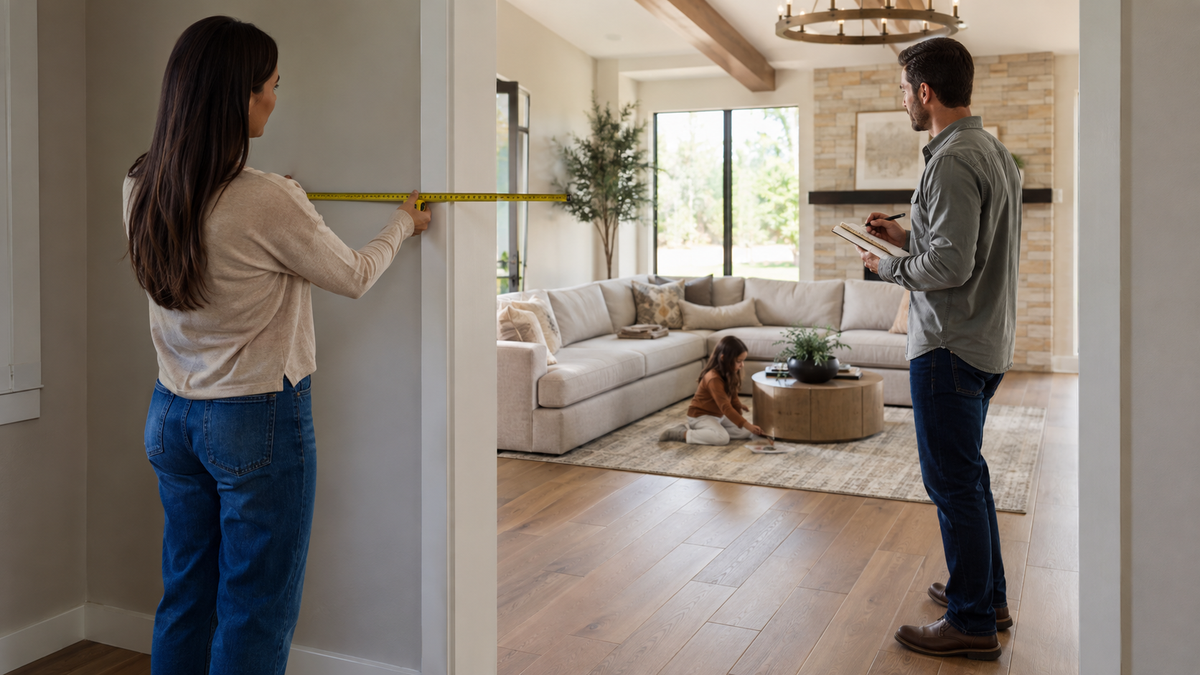
15 Stunning Modern House Ideas for the Homeowner of Tomorrow

Introduction & Background
The home of the future is no longer a distant dream but a tangible reality for today’s homeowners. With rapid advancements in technology, sustainability, and design, modern houses are evolving into intelligent, eco-friendly, and highly efficient living spaces. Homeowners today seek homes that blend comfort, style, and innovation, ensuring they stay ahead of the curve. This trend is driven by the growing demand for smart homes, sustainable materials, and adaptable living spaces that cater to diverse lifestyles. Whether you’re building from scratch or renovating an existing property, these 15 stunning modern house ideas will inspire you to create a home that is both futuristic and functional.
Concept & Overview
The modern house of tomorrow is defined by its ability to integrate cutting-edge technology, sustainable practices, and versatile design. Unlike traditional homes, these structures prioritize energy efficiency, automation, and adaptability to changing needs. The core principles revolve around minimizing environmental impact, maximizing space utilization, and enhancing the quality of life through smart solutions. From solar-powered roofs to self-sustaining water systems, these homes are designed to be both beautiful and practical. The key lies in balancing aesthetics with functionality, ensuring that every element serves a purpose while creating a visually appealing environment.
Key Features & Highlights
- Smart Home Integration: Homes equipped with automated lighting, heating, security systems, and voice-controlled assistants like Alexa or Google Home. These systems allow homeowners to control their environment with ease, enhancing convenience and energy efficiency.
- Sustainable Materials: The use of eco-friendly materials such as reclaimed wood, bamboo flooring, and recycled metal. These materials not only reduce the carbon footprint but also add a unique aesthetic to the home.
- Energy Efficiency: Features like solar panels, geothermal heating, and high-performance insulation. These technologies help lower utility bills and contribute to a greener planet.
- Open Floor Plans: Spacious layouts that eliminate unnecessary walls, creating a seamless flow between living areas. This design promotes a sense of openness and encourages family interaction.
- Indoor-Outdoor Living: Large glass doors, patios, and rooftop gardens that blur the lines between indoor and outdoor spaces. This design maximizes natural light and provides a relaxing environment.
- Modular Design: Flexible spaces that can be easily reconfigured to suit different needs. Modular furniture and walls allow homeowners to adapt their homes as their lifestyles change.
- Water Conservation: Systems like rainwater harvesting, low-flow fixtures, and graywater recycling. These features help conserve water and reduce utility costs.
- Passive Solar Design: Homes oriented to maximize natural light and heat during winter while minimizing it in summer. This reduces the need for artificial heating or cooling.
- Minimalist Aesthetics: Clean lines, neutral color palettes, and clutter-free spaces. This design approach creates a calming atmosphere and highlights architectural details.
- Multi-Functional Rooms: Spaces that serve multiple purposes, such as a home office that doubles as a guest bedroom. This maximizes the utility of every square foot.
- High-Tech Appliances: Smart refrigerators, ovens, and washing machines that can be controlled remotely. These appliances offer convenience and efficiency in daily chores.
- Green Roofs and Walls: Living roofs and walls covered with vegetation. These features improve insulation, reduce urban heat, and support biodiversity.
- Advanced Security Systems: Smart locks, surveillance cameras, and motion sensors that provide real-time alerts. These systems ensure the safety of the home and its occupants.
- Adaptive Lighting: Lighting systems that adjust based on the time of day or occupancy. This enhances energy efficiency and creates the perfect ambiance.
- Accessibility Features: Homes designed to accommodate people of all ages and abilities. Features like ramps, wider doorways, and smart home controls ensure inclusivity.
Frequently Asked Questions / Pros & Cons
What are the biggest benefits of a modern house?
Modern houses offer numerous advantages, including energy efficiency, smart home technology, and sustainable materials. These homes are designed to reduce utility costs, enhance security, and provide a healthier living environment. Additionally, their flexible layouts and adaptable designs make them ideal for evolving lifestyles.
Are modern houses more expensive to build?
While the initial cost of building a modern house can be higher due to advanced materials and technology, the long-term savings on energy and maintenance often offset this expense. Homeowners can also benefit from government incentives for sustainable features like solar panels and energy-efficient appliances.
How can I make my home more energy-efficient?
Start by investing in high-quality insulation, energy-efficient windows, and smart thermostats. Consider installing solar panels or a geothermal heating system. Additionally, opt for LED lighting and low-flow fixtures to reduce water and electricity consumption.
Pros & Cons
- Pros:
- Lower utility bills due to energy-efficient features.
- Enhanced comfort and convenience with smart home technology.
- Improved indoor air quality with sustainable and non-toxic materials.
- Greater resale value in a competitive real estate market.
- Cons:
- Higher upfront costs for advanced materials and technology.
- Potential complexity in integrating multiple smart systems.
- Limited availability of certain sustainable materials in some regions.
- Requires ongoing maintenance to ensure optimal performance of smart systems.
Practical Guidance & Solutions
If you’re ready to transform your home into a modern marvel, start by identifying your priorities. Do you want to prioritize energy efficiency, smart technology, or sustainable materials? Once you have a clear vision, consult with architects and builders who specialize in modern design. They can help you navigate zoning laws, select the right materials, and integrate advanced systems seamlessly.
Consider phase-by-phase renovations if a full remodel isn’t feasible. For example, start with energy-efficient upgrades like insulation and windows, then gradually add smart home features and sustainable materials. Don’t forget to explore financing options, such as green loans or tax incentives, to offset costs.
Finally, focus on creating a cohesive design that reflects your personal style while incorporating modern principles. Whether it’s through minimalist aesthetics, open floor plans, or adaptive lighting, every detail should contribute to a harmonious living space. By taking a thoughtful and strategic approach, you can create a home that is both stunning and sustainable.
Conclusion
The home of tomorrow is within reach today, blending innovation with elegance to create spaces that are as functional as they are beautiful. From smart technology to sustainable design, these 15 modern house ideas offer a glimpse into the future of living. Whether you’re building a new home or upgrading an existing one, embracing these concepts will not only enhance your lifestyle but also contribute to a greener, more connected world. As you embark on this journey, remember that the best homes are those that evolve with you, adapting to your needs while reflecting your unique vision. The future of homeownership is here, and it’s more exciting than ever.