How to Prepare Clothes, Bedding and Personal Belongings for Bed Bug Treatment
Professional treatment works best when the home is properly prepared beforehand. Bed bugs hide in fabric folds, seams and the small gaps in everyday items, so clothes, bedding and personal belongings can either support or undermine the process. Knowing what causes bed bugs to spread around a home, such as carrying infested items between rooms or leaving laundry piled on the floor, shows why each of these needs careful handling. Preparing them in a planned way reduces the chance of bugs escaping treatment or being brought back in afterwards.
Preparing Clothes
Start with the clothes in affected rooms, including those in wardrobes, drawers and laundry baskets. Bag them in sealed plastic bags inside the room before carrying them to the washing machine, so that bugs are not dropped along the way.
Wash clothes in hot water where the care label allows, then dry them on the highest safe heat setting. Drying is the most important step, as running items in a dryer for at least 30 minutes on high heat is generally effective against bed bugs and their eggs. Clothes that cannot be washed can often go through a hot dryer cycle on their own, while delicate garments can be sent for dry cleaning, with the cleaner told about the problem beforehand.
Once dried, place clothes straight into new, clean bags rather than the ones used to carry them, and label each bag by room.
Preparing Bedding
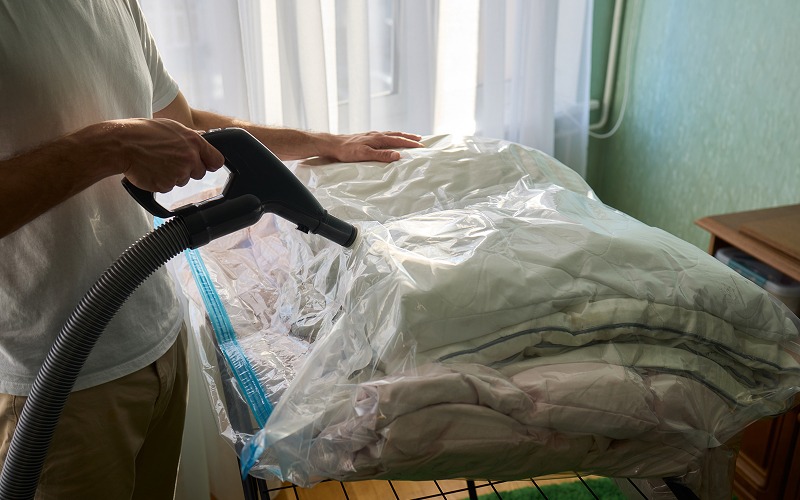
Bedding sits closest to where bed bugs feed, so it often carries the most eggs and insects. Strip bedsheets, pillowcases, blankets, bolsters and mattress protectors carefully, folding them inwards to trap any bugs inside, and bag them in the bedroom before moving them.
Wash and dry bedding on the same high-heat settings used for clothes. Remember, for households aiming to get rid of bed bugs without repeat treatments, this step often makes the biggest difference, since untreated bedding is a common source of reinfestation. Bulky items such as quilts and comforters may need a larger machine or a laundry service that can handle high-heat drying.
Leave beds bare after stripping so the technician can treat mattresses and frames, and keep clean bedding sealed until treatment is complete.
Preparing Personal Belongings
Smaller belongings are easy to overlook but can shelter bed bugs just as well as fabric, especially items kept near the bed or carried between rooms each day. The following approaches can help:
- Bags, backpacks and soft toys can often go through a hot dryer cycle if the material allows.
- Shoes, books and small items can be sealed in bags and placed in a freezer for several days, provided it reaches very low temperatures.
- Leather goods and handbags should be inspected closely, with seams wiped or vacuumed before bagging.
- Electronics, documents and items that cannot be heated or frozen should be checked carefully and kept sealed, following the technician’s advice.
Items that are no longer needed can be sealed and labelled for disposal so that others do not take them home. Items that will be kept should be stored away from the bedroom until treatment is finished.
Keeping Everything Sealed Until the All-Clear
Treated clothes, bedding and belongings should stay in sealed bags until the technician confirms the home is clear, which may take more than one visit. Keeping a small set of clean clothes and bedding for daily use reduces the need to open bags repeatedly. Checking bags for tears and replacing damaged ones helps keep treated items protected. Storing the bags in a room that has already been treated, rather than on the floor of an affected bedroom, adds a further safeguard.
A Cleaner Start After Treatment
Handling clothes, bedding and personal belongings carefully, with high heat, sealed bags and clear labelling, helps the treatment reach every hiding spot and lowers the chance of the problem returning.
Getting your home ready for bed bug treatment? Reach out to Rentokil to request our preparation checklist before your appointment.