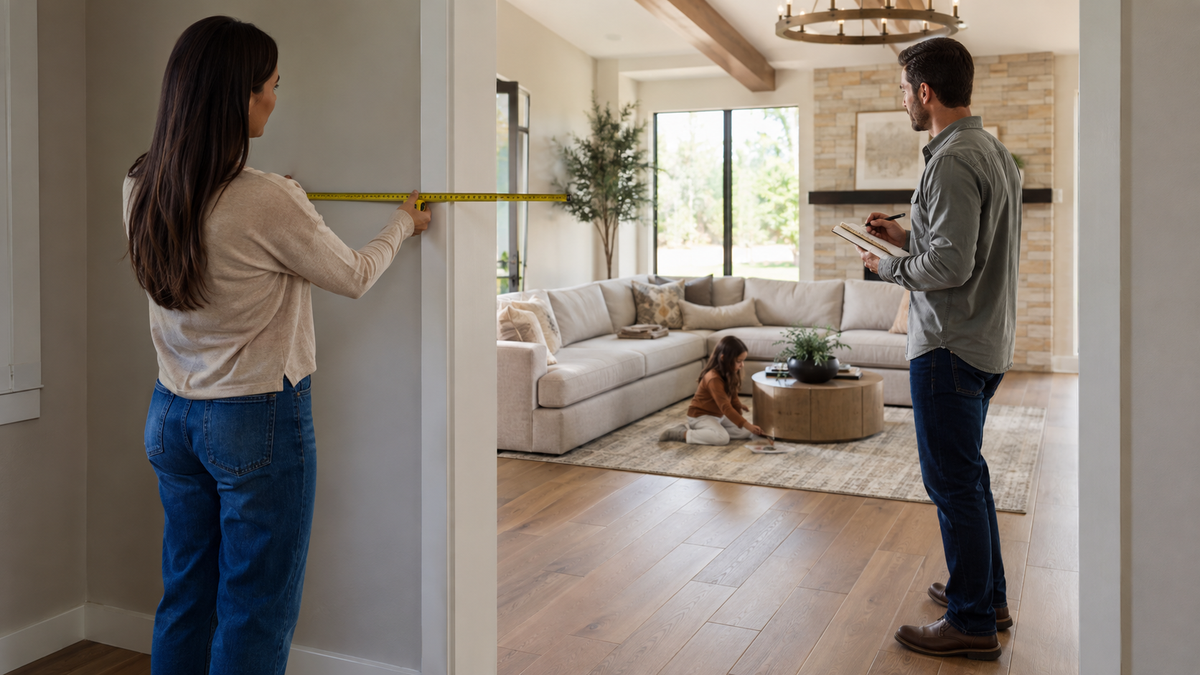
10 Modern House Plans That Blend Style, Sustainability, and Smart Living

Introduction & Background
In today’s fast-evolving world, modern house plans are no longer just about aesthetics or square footage. Homeowners now seek designs that balance style, sustainability, and smart living to create spaces that are both beautiful and functional. With rising environmental concerns and technological advancements, the demand for homes that integrate eco-friendly materials, energy efficiency, and intelligent systems has grown significantly. This shift reflects a broader trend toward responsible living without compromising on comfort or design. Whether you are building a new home or renovating an existing one, choosing a plan that aligns with these values can enhance your quality of life while reducing your environmental footprint.
Concept & Overview
Modern house plans that blend style, sustainability, and smart living are rooted in three core principles. First, style emphasizes clean lines, open spaces, and contemporary architectural elements that create visually appealing interiors and exteriors. Second, sustainability focuses on reducing energy consumption, using renewable resources, and minimizing waste through thoughtful design choices. Finally, smart living incorporates technology to automate and optimize home functions, from lighting and temperature control to security and entertainment. Together, these principles create homes that are not only efficient but also adaptable to the needs of modern families.
Key Features & Highlights
- Open Floor Plans: Spacious layouts with fewer walls maximize natural light and airflow, reducing the need for artificial lighting and air conditioning. This design also fosters a sense of connection among family members and guests.
- Energy-Efficient Materials: Homes built with sustainable materials like reclaimed wood, recycled steel, or bamboo flooring lower environmental impact while adding unique textures and durability. Insulation made from natural fibers or recycled content further enhances energy efficiency.
- Solar Panel Integration: Roof-mounted solar panels harness renewable energy, cutting electricity bills and reducing reliance on fossil fuels. Many modern plans also include battery storage systems to store excess energy for later use.
- Smart Home Automation: Systems like smart thermostats, lighting, and security cameras can be controlled remotely via smartphones or voice assistants. These technologies improve convenience, security, and energy management.
- Passive Design Strategies: Features such as large south-facing windows, cross-ventilation, and thermal mass materials help regulate indoor temperatures naturally, reducing heating and cooling costs.
- Water Conservation Systems: Low-flow fixtures, rainwater harvesting systems, and drought-resistant landscaping minimize water waste and lower utility bills. Greywater recycling systems can also repurpose water for irrigation or toilet flushing.
- Indoor-Outdoor Living Spaces: Expansive patios, decks, or sliding glass doors blur the boundaries between indoor and outdoor areas, creating a seamless flow that enhances enjoyment of nature and reduces energy usage.
- Compact and Multi-Functional Designs: Smaller homes with versatile spaces, such as Murphy beds or convertible furniture, reduce construction costs and environmental impact while promoting a minimalist lifestyle.
- Green Roofs or Living Walls: These features improve insulation, reduce stormwater runoff, and provide habitats for local wildlife. They also create a visually striking aesthetic that enhances curb appeal.
- Community-Centric Layouts: Thoughtful planning includes shared green spaces, walkable neighborhoods, and proximity to public transport, encouraging a sustainable and socially connected lifestyle.
Frequently Asked Questions / Pros & Cons
What are the main benefits of choosing a sustainable house plan?
Sustainable house plans offer long-term savings on utility bills, improved indoor air quality, and a reduced environmental footprint. They often qualify for tax incentives or rebates for energy-efficient upgrades, making them a financially savvy choice. Additionally, these homes tend to have higher resale values due to growing demand for eco-friendly properties.
How do smart home technologies enhance modern living?
Smart home technologies provide convenience by allowing homeowners to control lighting, temperature, and security systems remotely. They optimize energy use, leading to lower utility costs and a smaller carbon footprint. Enhanced security features also deter break-ins, offering peace of mind. Many systems can be programmed to adapt to daily routines, further improving efficiency and comfort.
Are sustainable materials more expensive than traditional ones?
While sustainable materials can sometimes have a higher upfront cost, they often pay for themselves over time through reduced maintenance and energy savings. For example, bamboo flooring is durable and affordable, while reclaimed wood adds character without the environmental harm of new lumber. It’s important to consider the lifecycle cost rather than just the initial price.
What are the challenges of building a modern, eco-friendly home?
One of the primary challenges is finding experienced contractors familiar with sustainable building practices. Permitting processes can also be more complex due to unique design features. Additionally, some eco-friendly materials may have limited availability in certain regions, leading to longer lead times or higher shipping costs. However, these challenges can be mitigated with proper planning and research.
Can modern house plans be customized for smaller lots or urban settings?
Absolutely. Many modern designs prioritize vertical space, incorporating multi-story layouts or rooftop gardens to maximize square footage on small lots. Urban homes often feature compact, efficient floor plans with built-in storage solutions and shared community amenities. Architects specializing in urban design can create stylish, sustainable homes that fit within tight constraints.
Practical Guidance & Solutions
When selecting a modern house plan, start by assessing your lifestyle and priorities. If sustainability is a top concern, look for designs that incorporate passive heating and cooling, solar panels, and energy-efficient windows. For those interested in smart living, prioritize plans with structured wiring for future technology upgrades. It’s also wise to consult with an architect or designer who specializes in sustainable and smart home solutions.
Before breaking ground, research local building codes and zoning regulations to ensure your plan complies with requirements. Consider working with a contractor who has experience in green building practices, as they can recommend cost-effective materials and techniques. Additionally, explore financing options such as energy-efficient mortgages or green building grants, which can help offset initial costs.
Once construction begins, focus on quality over quantity. Opt for durable, low-maintenance materials that will stand the test of time, even if they come at a slightly higher price. Regularly review the project timeline and budget to avoid unexpected delays or expenses. Finally, think about long-term adaptability, choose a design that can evolve with your family’s needs, whether through flexible spaces or easy upgrades to smart systems.
Conclusion
Modern house plans that seamlessly blend style, sustainability, and smart living represent the future of residential architecture. These homes are not just places to live; they are spaces that enhance well-being, protect the environment, and adapt to the demands of contemporary life. By prioritizing energy efficiency, innovative design, and intelligent technology, homeowners can create environments that are both luxurious and responsible. As the world continues to embrace sustainable practices, these homes will only grow in popularity, offering a blueprint for a greener, smarter, and more stylish way of living. Whether you’re building from scratch or renovating, embracing these principles can transform your home into a sanctuary for the future.