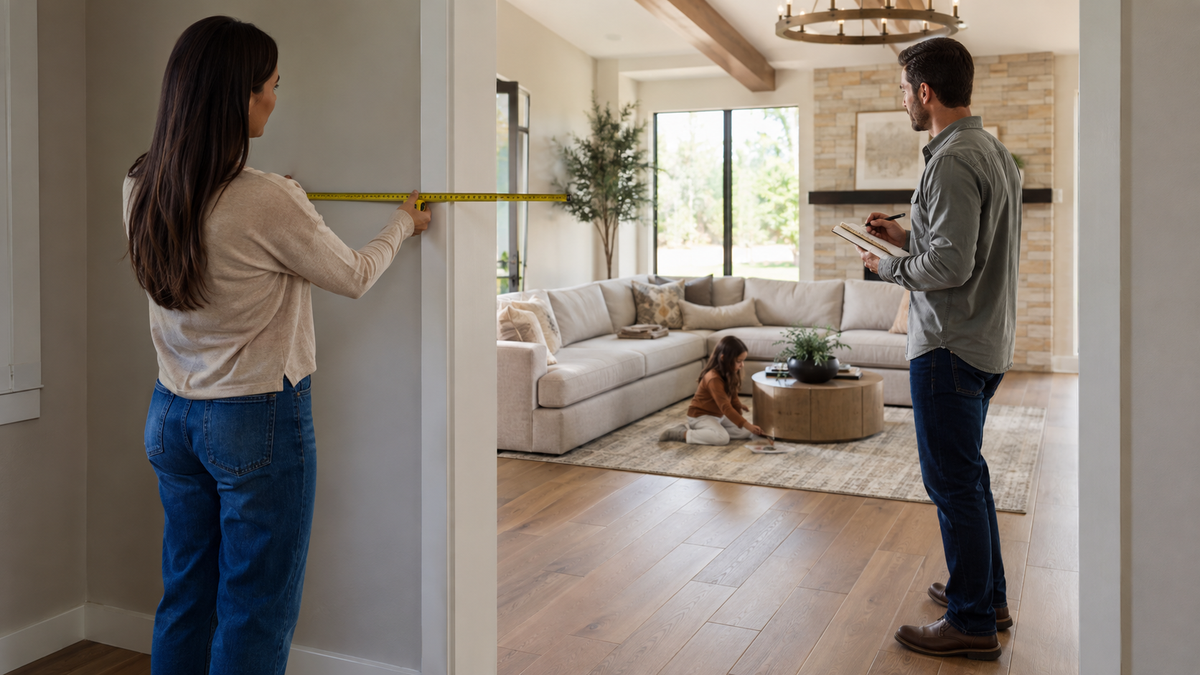
Modern Homes Redefined: Where Sleek Design Meets Smart Living

Modern Homes Redefined: Where Sleek Design Meets Smart Living
In today’s fast-paced world, the concept of home has evolved far beyond a place of shelter. Modern homes now blend cutting-edge technology with sophisticated design to create spaces that are not only aesthetically stunning but also highly functional and sustainable. These homes are a testament to how smart living can enhance daily life, offering convenience, efficiency, and a seamless blend of form and function. From minimalist interiors to energy-efficient systems, modern homes are redefining what it means to live comfortably in the 21st century.
The fusion of sleek design and smart technology has given rise to homes that are both beautiful and intelligent. Gone are the days when technology was an afterthought—today, it is integrated into the very fabric of the home, from automated lighting and climate control to voice-activated assistants and security systems. These innovations not only elevate the living experience but also contribute to sustainability by optimizing energy use and reducing waste. Whether you’re a tech enthusiast, a design lover, or someone seeking a more efficient way to live, modern smart homes offer a compelling vision of the future.
The Rise of Smart Homes: A New Era of Convenience
Smart homes are no longer a futuristic fantasy but a present-day reality. Thanks to advancements in the Internet of Things (IoT), artificial intelligence (AI), and machine learning, homes can now anticipate and respond to the needs of their inhabitants. Imagine walking into a room where the lights adjust to your preferred brightness, the thermostat sets itself to the ideal temperature, and your favorite playlist begins to play—all without lifting a finger. These are just a few examples of how smart technology is transforming everyday living.
The benefits of smart homes extend beyond mere convenience. They also enhance security, improve energy efficiency, and promote healthier living environments. Smart locks and cameras provide peace of mind, while automated blinds and energy-efficient appliances help reduce utility bills. Additionally, many smart home systems are designed to learn your habits over time, allowing them to make personalized adjustments that streamline your daily routine. As these technologies become more accessible and affordable, they are expected to become the standard in home design rather than the exception.
Design Meets Functionality: The Aesthetics of Modern Living
While technology plays a crucial role in modern homes, design remains at the heart of the experience. Sleek, minimalist interiors with clean lines and open floor plans are hallmarks of contemporary architecture. Natural materials like wood, stone, and glass are often incorporated to create a sense of warmth and connection to the outdoors. Large windows and sliding glass doors not only flood interiors with natural light but also blur the boundaries between indoor and outdoor spaces, making homes feel more spacious and inviting.
Color palettes in modern homes tend to be neutral, with occasional pops of bold hues to add character. Furniture is chosen for its functionality as much as its form, with multi-purpose pieces like storage ottomans and modular sofas becoming increasingly popular. Smart furniture, which includes features like built-in charging ports and adjustable heights, is also gaining traction. The goal is to create a living space that is not only visually appealing but also practical and adaptable to the changing needs of its occupants.
Sustainability at the Core: Eco-Friendly Innovations
Modern homes are not just about style and convenience—they are also leading the charge in sustainability. Eco-friendly design principles are being integrated into every aspect of home construction and operation, from the materials used to the energy sources powering them. Solar panels, energy-efficient windows, and rainwater harvesting systems are just a few examples of how homes can reduce their environmental footprint while saving homeowners money in the long run.
Green building certifications, such as LEED (Leadership in Energy and Environmental Design) and BREEAM (Building Research Establishment Environmental Assessment Method), are becoming more common as homeowners prioritize sustainability. These certifications ensure that homes meet rigorous standards for energy efficiency, water conservation, and indoor air quality. Additionally, many modern homes incorporate passive design strategies, such as proper orientation to maximize natural light and ventilation, to further reduce energy consumption. By embracing sustainable practices, modern homes are not only better for the planet but also healthier and more cost-effective for their inhabitants.
Smart Living Solutions for Every Aspect of Daily Life
The beauty of a modern smart home lies in its ability to integrate seamlessly into daily life. Here are some of the most innovative smart living solutions that are transforming homes today:
- Automated Lighting and Climate Control: Smart bulbs and thermostats like Philips Hue and Nest allow homeowners to control lighting and temperature remotely via smartphone apps or voice commands. These systems can adjust settings based on occupancy, time of day, or even weather conditions, ensuring optimal comfort while reducing energy waste.
- Advanced Security Systems: Smart security cameras, doorbells, and locks, such as those from Ring and August, provide real-time monitoring and alerts. Features like facial recognition and two-way audio enhance security, while integration with smart assistants allows for voice-controlled access and monitoring.
- Connected Kitchens: Smart appliances, including refrigerators with touchscreens, induction cooktops, and coffee makers with scheduling capabilities, are making kitchens more efficient and enjoyable. Some appliances can even suggest recipes based on the ingredients you have on hand or notify you when food is about to expire.
- Home Entertainment and Automation: High-tech home theaters, multi-room audio systems, and automated window treatments create immersive entertainment experiences. Voice-controlled assistants like Amazon Alexa and Google Assistant can manage everything from music playback to TV settings, all with a simple voice command.
- Health and Wellness Integration: Smart home devices are increasingly being designed with health and wellness in mind. Air purifiers, water filtration systems, and smart mattresses that monitor sleep patterns are just a few examples of how technology can contribute to a healthier lifestyle.
Challenges and Considerations for Smart Home Adoption
While the benefits of smart homes are undeniable, there are also challenges and considerations that potential homeowners should keep in mind. One of the primary concerns is the issue of data privacy and security. With so many devices connected to the internet, smart homes can be vulnerable to hacking and cyber threats. It’s essential to choose reputable brands, keep software updated, and use strong, unique passwords to mitigate these risks.
Another consideration is the initial cost of outfitting a home with smart technology. While prices have dropped significantly in recent years, high-end systems can still be a substantial investment. However, the long-term savings on energy bills, maintenance, and insurance premiums often offset the upfront costs. Additionally, many homeowners choose to adopt smart technology gradually, starting with a few key devices and expanding their system over time.
The learning curve associated with smart home technology can also be a hurdle for some users. While many systems are designed to be user-friendly, integrating multiple devices and platforms can sometimes be complex. Working with a professional installer or opting for systems with intuitive interfaces can help ease this transition.
The Future of Modern Homes: What’s Next?
The evolution of modern homes shows no signs of slowing down. As technology continues to advance, we can expect even more innovative features and seamless integrations. Here are some trends to watch in the coming years:
- Artificial Intelligence and Machine Learning: AI will play a larger role in anticipating and responding to homeowners’ needs. Systems will become more personalized, learning individual preferences and making adjustments automatically. For example, your home might adjust the lighting and temperature based on your mood or schedule.
- Augmented Reality (AR) and Virtual Reality (VR): AR and VR technologies will transform the way we design, build, and interact with our homes. Imagine using AR to visualize furniture placement before purchasing or taking a virtual tour of a property before buying it.
- Sustainable Innovations: The focus on sustainability will continue to grow, with homes incorporating even more advanced eco-friendly technologies. Innovations like self-sustaining water systems, carbon-neutral building materials, and zero-energy homes will become more prevalent.
- Health-Focused Design: The COVID-19 pandemic has heightened awareness of health and wellness in home design. Future homes will likely include more features like air purification systems, antimicrobial surfaces, and biophilic design elements to promote well-being.
- 5G and IoT Connectivity: The rollout of 5G networks will enable faster, more reliable connections for smart home devices. This will allow for smoother operation of multiple devices simultaneously and pave the way for new applications, such as real-time monitoring and remote diagnostics.
Conclusion: Creating a Smarter, Stylish, and Sustainable Home
Modern homes are more than just places to live—they are living, breathing entities that adapt to our needs and enhance our quality of life. By combining sleek design with smart technology and sustainable practices, these homes offer a glimpse into the future of comfortable, efficient, and eco-conscious living. Whether you’re building a new home from scratch or retrofitting an existing one, embracing modern innovations can help you create a space that is as smart as it is stylish.
The journey toward a smarter home doesn’t have to happen overnight. Start with the features that matter most to you, and gradually expand your system as your needs and budget allow. With the right approach, you can transform your home into a sanctuary that not only reflects your personal style but also simplifies your life and reduces your environmental impact. Welcome to the future of home—where design meets intelligence, and living is effortless.