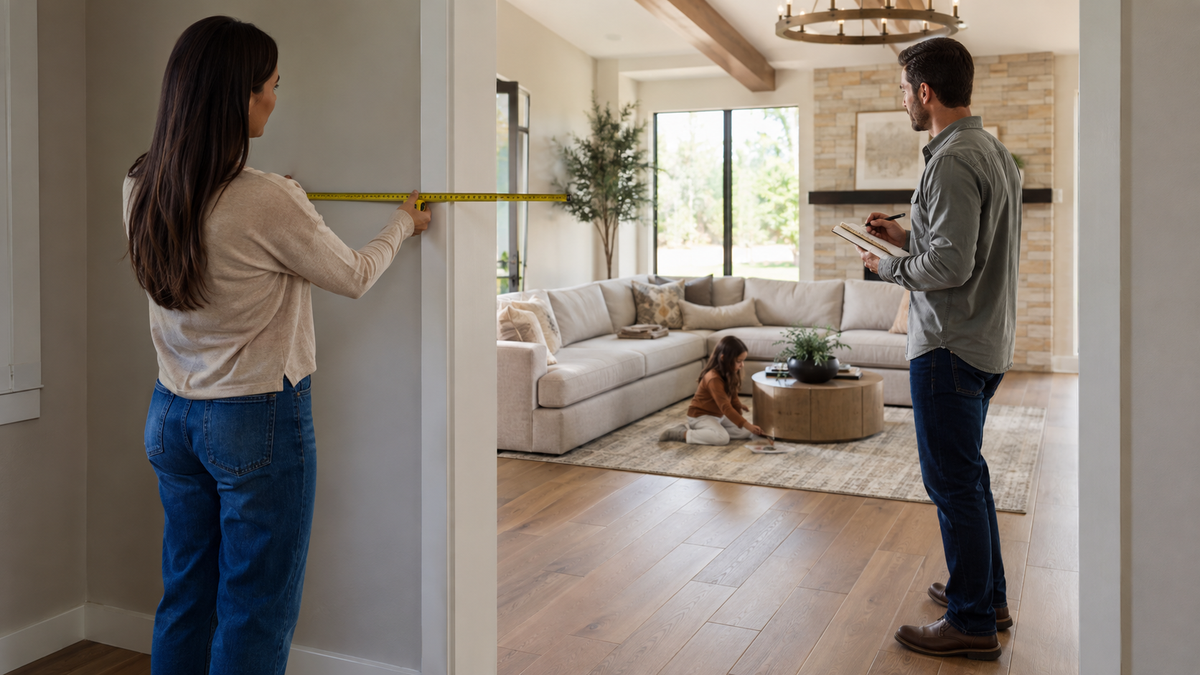
Transforming Spaces: The Art of Modern Interior Design

Transforming Spaces: The Art of Modern Interior Design
Interior design is far more than just arranging furniture or choosing color palettes—it is an art form that shapes how we live, work, and interact with our surroundings. Modern interior design blends creativity with functionality, transforming ordinary spaces into extraordinary environments that reflect personal style and enhance daily life. From minimalist sanctuaries to vibrant, eclectic living areas, the principles of modern interior design offer endless possibilities for reinvention. Whether you’re redesigning a single room or an entire home, understanding the core elements of this discipline can help you craft a space that is both beautiful and purposeful.
The Evolution of Modern Interior Design
Modern interior design has undergone a remarkable transformation over the past century, evolving from ornate, traditional styles to sleek, functional, and sustainable approaches. The early 20th century saw the rise of movements like Bauhaus and Mid-Century Modern, which emphasized clean lines, open spaces, and the integration of art and technology. These movements challenged conventional design norms by prioritizing simplicity, practicality, and the use of new materials such as steel, glass, and concrete.
In the latter half of the 20th century, interior design became more accessible, with the mass production of furniture and decor allowing homeowners to personalize their spaces without sacrificing quality. Today, modern interior design is characterized by its adaptability, incorporating elements of sustainability, biophilic design, and smart home technology. Designers now focus on creating spaces that not only look stunning but also promote well-being, productivity, and environmental responsibility.
The Key Principles of Modern Interior Design
To achieve a cohesive and impactful interior, designers rely on several foundational principles. These principles serve as a guide to ensure that every element within a space contributes to a harmonious and functional whole. Below are the core tenets of modern interior design:
- Balance: Achieving visual equilibrium in a space through the careful distribution of objects, colors, and textures. Balance can be symmetrical, asymmetrical, or radial, depending on the desired effect.
- Contrast: Introducing variety through the juxtaposition of different elements, such as light and dark shades, smooth and rough textures, or geometric and organic shapes. Contrast adds depth and visual interest to a room.
- Scale and Proportion: Ensuring that furniture and decor are appropriately sized for the space. Proportion refers to the relationship between objects, while scale relates to their size relative to the room.
- Rhythm: Creating a sense of movement through repetition, progression, or transition of design elements. This could be achieved with patterns, colors, or the placement of furniture and decor.
- Emphasis: Drawing attention to a focal point within a space, such as a statement piece of furniture, artwork, or architectural feature. Emphasis anchors the design and gives the room a sense of purpose.
- Unity and Harmony: Ensuring all elements within a space work together cohesively. Unity refers to the overall consistency, while harmony involves blending different elements in a way that feels balanced and intentional.
Minimalism: Less is More
Minimalism is one of the most influential trends in modern interior design, championed for its simplicity, clarity, and emphasis on functionality. Rooted in the idea that “less is more,” minimalist design strips away excess to create spaces that are calm, uncluttered, and purposeful. The aesthetic relies on clean lines, neutral color palettes, and a restrained use of decor, allowing the architecture and essential furnishings to take center stage.
A minimalist space is not devoid of personality—rather, it prioritizes quality over quantity, with each piece carefully selected for its form and function. Materials like wood, stone, and metal are often used in their natural state, while open floor plans and ample natural light enhance the sense of spaciousness. The result is a serene environment that promotes mindfulness and reduces visual noise, making it ideal for both living and working spaces.
Tips for Achieving a Minimalist Interior
- Declutter Regularly: Keep surfaces clear and eliminate items that do not serve a purpose or bring joy. Storage solutions should be integrated seamlessly into the design to maintain a tidy appearance.
- Choose a Neutral Palette: Stick to a base of whites, beiges, grays, and soft blacks, with occasional pops of color through accessories or artwork. This creates a cohesive and calming backdrop.
- Invest in Multi-Functional Furniture: Opt for pieces that serve multiple purposes, such as a sofa bed, storage ottomans, or nesting tables. This maximizes utility without compromising style.
- Focus on Texture: While the color palette may be neutral, varying textures—such as matte wood, smooth metal, or plush fabrics—add depth and visual interest.
- Incorporate Natural Elements: Plants, natural wood, and stone materials bring warmth and a connection to nature, softening the minimalist aesthetic.
The Power of Sustainable Design
As environmental awareness grows, sustainable interior design has become a cornerstone of modern design philosophy. This approach prioritizes eco-friendly materials, energy efficiency, and ethical production methods to minimize the environmental impact of interior spaces. Sustainable design is not only beneficial for the planet but also enhances the health and well-being of occupants by reducing exposure to harmful chemicals and improving indoor air quality.
Designers and homeowners are increasingly turning to renewable materials like bamboo, reclaimed wood, and recycled metals, as well as low-VOC (volatile organic compound) paints and finishes. Energy-efficient lighting, smart thermostats, and water-saving fixtures are also integral to sustainable interiors. Beyond materials and technology, the concept of “circular design” encourages the reuse and repurposing of furniture and decor, ensuring that spaces evolve without contributing to waste.
How to Incorporate Sustainable Practices in Interior Design
- Choose Sustainable Materials: Opt for certified sustainable wood, cork, linoleum, or recycled glass. Look for labels such as FSC (Forest Stewardship Council) or Cradle to Cradle for assurance of responsible sourcing.
- Prioritize Energy Efficiency: Select appliances with high Energy Star ratings, use LED lighting, and consider smart home systems to monitor and reduce energy consumption.
- Reduce Waste: Upcycle furniture, donate unwanted items, and select modular or adaptable pieces that can be reconfigured as needs change.
- Improve Indoor Air Quality: Avoid synthetic materials and opt for natural fibers in textiles. Incorporate air-purifying plants and ensure proper ventilation.
- Support Ethical Brands: Choose manufacturers that prioritize fair labor practices, transparent supply chains, and environmentally responsible production methods.
Biophilic Design: Bringing Nature Indoors
Biophilic design is a revolutionary approach that seeks to reconnect people with nature by integrating natural elements into interior spaces. Rooted in the idea that humans have an innate affinity for nature, this design philosophy enhances well-being, reduces stress, and boosts productivity. Biophilic design goes beyond simply adding a few plants—it involves a thoughtful incorporation of natural light, ventilation, organic materials, and even nature-inspired patterns and textures.
The concept is supported by extensive research showing that exposure to natural elements can improve cognitive function, creativity, and overall mental health. For instance, a study by the University of Oregon found that offices with natural elements experienced a 15% increase in employee well-being. In residential spaces, biophilic design can create a sanctuary-like atmosphere, fostering relaxation and rejuvenation.
Elements of Biophilic Design
- Natural Light: Maximize daylight through large windows, skylights, and glass doors. Use light-colored walls and reflective surfaces to amplify brightness.
- Indoor Plants: Incorporate a variety of plants, from small succulents to large statement trees, to improve air quality and add visual appeal.
- Organic Materials: Use materials like wood, stone, bamboo, and cork in their raw or minimally processed forms to evoke a natural aesthetic.
- Water Features: Introduce small fountains, indoor ponds, or aquariums to create a soothing auditory and visual experience.
- Nature-Inspired Patterns: Use motifs such as leaf prints, floral wallpapers, or geometric patterns reminiscent of natural forms to enhance the biophilic effect.
- Views of Nature: Design spaces to frame outdoor views, whether through windows, terraces, or indoor gardens.
- Sensory Variety: Incorporate elements that engage multiple senses, such as the sound of rustling leaves, the scent of essential oils, or the texture of natural fibers.
Smart Homes and Technology Integration
The rise of smart home technology has revolutionized modern interior design, offering unprecedented convenience, security, and energy efficiency. From automated lighting and climate control to voice-activated assistants and integrated entertainment systems, technology has become an integral part of contemporary living. Designers now collaborate with tech experts to seamlessly incorporate these innovations into interiors without compromising aesthetics.
Smart home systems can be customized to suit individual lifestyles, allowing homeowners to control lighting, temperature, and security remotely. For example, motorized window treatments can adjust automatically based on sunlight levels, while smart thermostats optimize energy usage. Additionally, hidden wiring and sleek, minimalist interfaces ensure that technology blends seamlessly with the overall design. The result is a space that is not only stylish but also highly functional and adaptable to the needs of its inhabitants.
Key Smart Home Features for Modern Interiors
- Smart Lighting: Adjustable LED lighting systems that can change color temperature and brightness based on time of day or activity, such as “warm white” for relaxation or “cool white” for focus.
- Automated Climate Control: Smart thermostats like Nest or Ecobee learn user preferences and adjust heating and cooling to maximize comfort and efficiency.
- Integrated Security Systems: Smart locks, video doorbells, and motion sensors enhance safety while maintaining a clean, unobtrusive appearance.
- Home Entertainment Systems: Wireless speakers, smart TVs, and hidden projectors create immersive entertainment experiences without cluttering the space.
- Voice Assistants: Devices like Amazon Alexa or Google Home allow for hands-free control of various systems, from adjusting the thermostat to playing music.
- Connected Appliances: Smart refrigerators, ovens, and washing machines offer remote monitoring and control, streamlining daily tasks.
Color Psychology in Modern Interior Design
Color is a powerful tool in interior design, capable of influencing mood, perception, and even physiological responses. Modern interior design leverages color psychology to create spaces that evoke specific emotions and cater to the needs of their occupants. For instance, cool tones like blues and greens are known to promote relaxation and focus, making them ideal for bedrooms and home offices. In contrast, warm hues such as reds, oranges, and yellows can stimulate energy and creativity, perfect for social areas like living rooms and kitchens.
The choice of color palette can also define the character of a space. Monochromatic schemes offer a sleek and sophisticated look, while complementary colors create vibrancy and contrast. Neutral tones provide a timeless backdrop that can be easily updated with accent pieces, whereas bold colors make a statement and reflect personal style. Understanding the psychological effects of color allows designers to curate interiors that not only look appealing but also enhance the well-being of those who inhabit them.
Popular Color Palettes in Modern Design
- Earthy Neutrals: Shades of beige, taupe, and soft browns create a warm and inviting atmosphere, often paired with natural materials like wood and stone.
- Monochromatic: Variations of a single color, from light to dark, create a cohesive and elegant look with subtle depth.
- Jewel Tones: Deep blues, emerald greens, and rich purples add luxury and drama to a space, often used in statement pieces or accent walls.
- Pastels: Soft pinks, blues, and lavenders evoke a sense of calm and nostalgia, perfect for creating a serene retreat.
- Contrasting Black and White: A timeless combination that exudes modern sophistication and can be softened with textures or organic elements.
- Bold and Vibrant: High-contrast colors like mustard yellow, teal, and coral inject energy and personality into a space, ideal for creative environments.
Furniture and Decor: Striking the Right Balance
Furniture and decor are the heart of any interior design project, serving as both functional necessities and expressions of personal style. In modern interior design, the key is to strike a balance between form and function, ensuring that every piece adds value to the space. Furniture should be selected based on its ability to meet the needs of the occupants while complementing the overall aesthetic. For example, a modular sofa can adapt to different seating arrangements, while a statement chair can become a focal point in a minimalist room.
Decor, on the other hand, adds personality and character to a space. It includes everything from artwork and sculptures to textiles and decorative objects. The challenge lies in curating a collection of pieces that feel intentional rather than cluttered. In modern design, less is often more, with decor used sparingly to highlight key features or create a sense of movement within the room. The result is a space that feels curated, inviting, and uniquely yours.
Tips for Selecting Furniture and Decor
- Prioritize Comfort and Functionality: Choose furniture that supports your lifestyle, whether it’s a cozy sectional for family movie nights or a ergonomic chair for a home office.
- Mix Materials and Textures: Combine different materials like metal, wood, glass, and fabric to add depth and visual interest to the space.
- Invest in Timeless Pieces: Opt for classic designs that will remain stylish for years, rather than trendy items that may quickly feel outdated.
- Use Decor to Tell a Story: Select pieces that reflect your personality, memories, or cultural influences, such as travel souvenirs, family heirlooms, or local artwork.
- Layer Textiles Thoughtfully: Incorporate rugs, curtains, and cushions in varying textures and patterns to add warmth and coziness without overwhelming the space.
- Edit Ruthlessly: Avoid clutter by keeping only the pieces that you love and that serve a purpose. Rotate decor seasonally to keep the space feeling fresh.
Lighting: The Unsung Hero of Interior Design
Lighting is often overlooked in interior design, yet it plays a crucial role in shaping the ambiance, functionality, and mood of a space. Modern interior design emphasizes layered lighting, which involves combining different types of lighting to create depth and versatility. Ambient lighting provides general illumination, task lighting focuses on specific areas for activities like reading or cooking, and accent lighting highlights architectural features or artwork. Together, these layers create a dynamic and inviting environment.
The choice of lighting fixtures can also serve as a design statement. From sleek, minimalist pendants to bold, sculptural chandeliers, lighting can enhance the aesthetic of a room while fulfilling practical needs. Additionally, advancements in LED technology have made it possible to customize lighting color and intensity, allowing homeowners to adapt the ambiance to different times of day or activities. Whether it’s the warm glow of a floor lamp or the crisp illumination of recessed lighting, the right lighting can transform a space from ordinary to extraordinary.
Types of Lighting in Modern Interiors
- Ambient Lighting: General illumination that sets the overall mood of a room, such as ceiling-mounted fixtures, recessed lighting, or chandeliers.
- Task Lighting: Focused lighting for specific activities, including desk lamps, under-cabinet lighting, and reading lights.
- Accent Lighting: Highlights architectural details, artwork, or decor, such as track lighting, wall sconces, or picture lights.
- Natural Lighting: Maximizes daylight through windows, skylights, and glass doors, which can be enhanced with sheer curtains or reflective surfaces.
- Decorative Lighting: Fixtures that serve as art pieces, like pendant lights with unique designs or sculptural floor lamps.
- Smart Lighting: Automated systems that adjust brightness, color, and temperature based on user preferences or time of day.
Transforming Small Spaces into Functional Havens
Urbanization and rising real estate costs have led to a growing trend of compact living, where maximizing space has become a necessity. Modern interior design excels in transforming small spaces into functional and stylish havens through clever solutions and innovative strategies. The key is to prioritize multi-functional furniture, smart storage, and an open, uncluttered layout that creates the illusion of space.
For example, a Murphy bed that folds into the wall can free up floor space during the day, while a dining table with built-in storage can serve multiple purposes. Vertical storage, such as wall-mounted shelves or pegboards, utilizes unused wall space and keeps floors clear. Mirrors are another powerful tool in small spaces, as they reflect light and create the illusion of depth. With thoughtful planning and creativity, even the tiniest apartment can feel open, airy, and full of potential.
Design Strategies for Small Spaces
- Multi-Functional Furniture: Opt for pieces that serve more than one purpose, such as a sofa bed, storage ottomans, or nesting tables.
- Open Floor Plans: Remove unnecessary walls to create a sense of flow and spaciousness, using furniture to define different areas instead.
- Vertical Storage: Utilize wall space with shelves, cabinets, or pegboards to keep floors uncluttered and maximize storage.
- Light Colors and Reflective Surfaces: Light-colored walls, mirrors, and glossy finishes reflect light and create the illusion of a larger space.
- Sliding Doors: Replace traditional doors with sliding or pocket doors to save space and maintain a clean aesthetic.
- Hidden Storage: Incorporate storage solutions that blend seamlessly into the design, such as built-in cabinets or under-stair storage.
- Minimalist Decor: Keep decor simple and purposeful to avoid visual clutter, focusing on a few statement pieces rather than numerous small items.
The Future of Modern Interior Design
The future of interior design is poised to be shaped by technological advancements, sustainability, and a deeper understanding of human well-being. As smart home technology becomes more integrated, we can expect interiors that are not only beautiful but also highly adaptive to our needs. Imagine a home that adjusts its lighting, temperature, and even furniture layout based on your mood or daily routine. Virtual and augmented reality will likely play a larger role in the design process, allowing homeowners to visualize spaces before they are built.
Sustainability will continue to be a driving force, with designers and manufacturers focusing on circular economies, zero-waste production, and carbon-neutral materials. The concept of “healthy homes” will gain traction, with an emphasis on air purification, non-toxic materials, and biophilic design elements that enhance mental and physical health. Additionally, as remote work becomes more prevalent, interior design will need to adapt to create functional and inspiring home offices that foster productivity and creativity.
Another exciting trend is the blending of indoor and outdoor living, with designers creating seamless transitions between interior and exterior spaces. Large glass walls, indoor gardens, and outdoor living rooms will become more common, blurring the lines between nature and architecture. As these innovations unfold, modern interior design will continue to evolve, offering endless possibilities for transforming spaces into personalized sanctuaries that reflect the values and lifestyles of their inhabitants.