The Art of Functional Beauty: How Furniture Transforms Your Space

The Art of Functional Beauty: How Furniture Transforms Your Space
Furniture is more than just objects that fill a room—it is the silent architect of your space, shaping both its function and its emotion. When chosen with intention, furniture has the power to elevate a house into a home, turning mere walls and floors into a sanctuary of comfort, style, and purpose. The concept of “functional beauty” in furniture design bridges the gap between aesthetics and utility, proving that every piece should serve a dual role: enhancing the visual appeal of a space while fulfilling a practical need. Whether you’re designing a cozy reading nook, a bustling family dining area, or a minimalist workspace, the right furniture can transform your environment from ordinary to extraordinary.
The Dual Role of Furniture: Form Meets Function
At its core, furniture is designed to answer a basic human need: to support and enhance daily life. A chair, for instance, is not just a seat—it is an extension of your posture, a reflection of your style, and a statement of your values. The same principle applies to tables, shelves, and sofas. The magic happens when these pieces are crafted with both form and function in mind. A well-designed sofa should cradle you in comfort while also acting as a focal point in your living room. A dining table should accommodate family gatherings while also complementing your interior’s color scheme. When furniture succeeds in both roles, it becomes an art form—a blend of engineering and elegance.
Consider the evolution of the modern chair. Centuries ago, chairs were symbols of status and power, reserved for the elite. Today, they are accessible to all, yet their design continues to evolve, balancing ergonomics with innovation. The rise of modular furniture, for example, allows homeowners to adapt their spaces to changing needs without sacrificing style. A sofa that converts into a bed, a coffee table with hidden storage, or a desk that folds away when not in use—these are not just trends; they are responses to the demands of contemporary living. Functional beauty lies in these thoughtful solutions, where every curve, every joint, and every material is carefully considered to serve a purpose.
Choosing Furniture That Speaks to Your Lifestyle
No two homes are alike, and neither should their furniture be. The key to selecting pieces that transform your space lies in understanding your lifestyle and translating it into design choices. Are you a minimalist who values clean lines and uncluttered surfaces? Or do you embrace eclectic layers, mixing textures and eras to create a curated look? Perhaps you have a growing family, needing durable, easy-to-clean materials that can withstand the chaos of daily life. Your furniture should reflect who you are and how you live.
Start by assessing the primary functions of your space. In a bedroom, prioritize a bed that offers both comfort and storage. In a home office, invest in an ergonomic chair and a desk that promotes productivity. For communal areas like the living room, choose seating that encourages conversation while also providing individual comfort. Think about the flow of movement—how will people navigate the room? Will they gather around a central coffee table, or will they spread out across a sectional sofa? These considerations ensure that your furniture not only looks good but also works seamlessly with your daily routines.
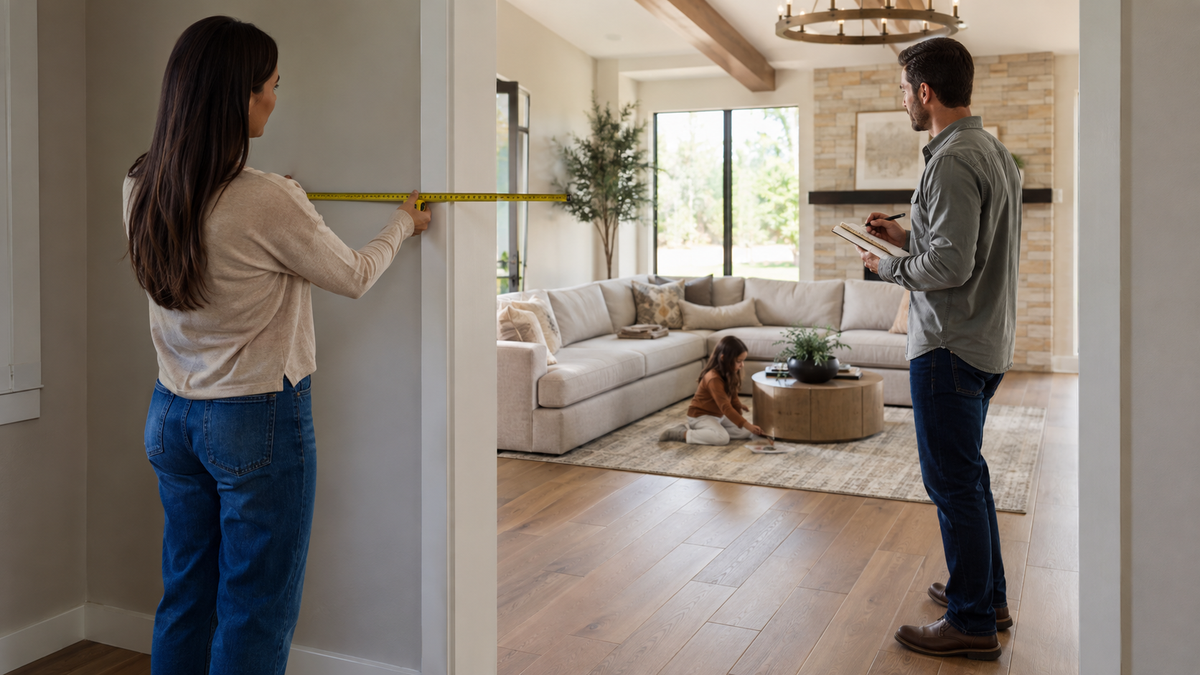
Another crucial factor is scale. A massive sectional might overwhelm a small apartment, while a dainty loveseat could get lost in a sprawling open-plan home. Measure your space carefully and visualize how each piece will fit within it. The right proportions create a sense of balance, making a room feel harmonious rather than crowded. Don’t forget the power of vertical space either—tall bookshelves and wall-mounted desks can draw the eye upward, making a room feel larger and more dynamic.
The Psychological Impact of Thoughtful Furniture Placement
Furniture doesn’t just occupy space—it shapes the way you experience it. The arrangement of your furniture can influence mood, productivity, and even social interactions. In psychology, this is known as “environmental psychology,” a field that studies how our surroundings affect our behavior and emotions. For example, placing a sofa facing a fireplace invites warmth and conversation, while positioning a desk near a window can boost creativity and focus by providing natural light and a view.
Color and material also play significant roles in how we perceive a space. Warm woods like oak or walnut can create a cozy, inviting atmosphere, while cool metals and glass can lend a sleek, modern edge. Soft textiles like linen or velvet add texture and comfort, while smooth surfaces like marble or polished wood feel more formal and refined. Consider the psychological effects of these choices: a plush armchair in a neutral tone might be the perfect spot for relaxation, while a bright, bold-colored side table could energize a dull corner of the room.
Lighting, too, interacts with furniture in ways that can transform a space. A well-placed floor lamp can highlight a statement piece, such as an antique sideboard, while a dimmable pendant light over a dining table can set the mood for an intimate dinner. The interplay between furniture and lighting creates depth and layers, making a room feel more dynamic and lived-in. Think of your furniture as the canvas and lighting as the brushstrokes that bring it to life.
Sustainability and Timelessness: Furniture That Lasts
In a world of fast furniture and disposable decor, investing in quality pieces is an act of rebellion—and a step toward sustainability. Functional beauty isn’t just about how a piece looks today; it’s about how it will serve you (and the planet) for years to come. Sustainable furniture is crafted from responsibly sourced materials, such as FSC-certified wood, recycled metals, or upcycled fabrics. It is built to last, reducing the need for frequent replacements and minimizing waste.
Timelessness is another hallmark of functional beauty. Trends come and go, but a well-designed piece of furniture transcends fads. A mid-century modern dining chair, for instance, looks as elegant today as it did in the 1950s. Similarly, a sturdy farmhouse table can adapt to modern interiors with its rustic charm intact. When selecting furniture, ask yourself: Will this piece still bring me joy in five years? Will it fit seamlessly into a different decor style if I redecorate? Choosing versatile, enduring designs ensures that your space remains beautiful and functional, regardless of passing trends.
Additionally, consider the longevity of materials. Solid wood, high-quality leather, and metal frames are investments that pay off over time. They age gracefully, developing a patina that adds character, rather than deteriorating quickly under the wear and tear of daily use. Reupholstering a sofa or refinishing a vintage dresser can give old furniture new life, reducing the environmental impact of constantly buying new items. By prioritizing durability and sustainability, you’re not just furnishing a space—you’re curating a legacy.
Mixing Styles: Creating a Cohesive Yet Unique Space
One of the most exciting aspects of furniture design is the opportunity to blend styles, eras, and cultures to create a space that feels uniquely yours. While some prefer a monochromatic, minimalist aesthetic, others thrive in an eclectic mix of vintage finds and contemporary pieces. The secret to making it work lies in balance—finding common threads, such as color, material, or shape, that tie different elements together.
Start with a neutral base, such as a neutral sofa or a light-colored rug, and build from there. Layer in textures and patterns to add depth, but keep the palette cohesive. For example, a modern glass coffee table might pair beautifully with a vintage Persian rug, creating a juxtaposition that feels intentional rather than chaotic. Similarly, a Scandinavian-inspired armchair can sit alongside a bold, Art Deco-inspired side table, as long as they share a similar scale or material finish.
Don’t be afraid to incorporate global influences either. A Moroccan lantern, a Japanese tatami-style bench, or an Italian marble side table can add character and tell a story about your tastes. The key is to edit thoughtfully—to choose pieces that resonate with you and arrange them in a way that feels intentional. When done right, mixed-style furniture creates a space that is not only functional but also deeply personal, reflecting your journey and personality.
Small Space Solutions: Maximizing Function in Minimal Square Footage
Living in a small space doesn’t mean sacrificing style or functionality. With the right furniture choices, even the tiniest apartment can feel spacious, organized, and inviting. The secret lies in multi-functional pieces and smart spatial planning. A Murphy bed, for example, folds away during the day, freeing up floor space for other activities. A drop-leaf table can expand when needed and shrink when not in use, adapting to both solo meals and dinner parties. Nesting tables, stackable chairs, and wall-mounted desks are other ingenious solutions for compact living.
Vertical space is your best friend in small areas. Floor-to-ceiling bookshelves, hanging planters, and wall-mounted storage units draw the eye upward, creating the illusion of height. Mirrors are another trick of the trade—they reflect light and make rooms feel larger. Place a large mirror opposite a window to maximize natural light, or use a mirrored side table to bounce light around a dimly lit corner.
Furniture with hidden storage is a game-changer in tiny homes. Ottomans with lift-up tops, beds with built-in drawers, and coffee tables with shelves underneath help keep clutter at bay. The goal is to maintain a clean, uncluttered look while ensuring every inch of space serves a purpose. When every piece has a dual function, your small space can feel just as luxurious and thoughtfully designed as a sprawling mansion.
Final Thoughts: Furniture as the Heart of Your Home
Furniture is the silent storyteller of your home, whispering tales of comfort, creativity, and connection. When chosen with intention, it transforms a house into a sanctuary—a place where function and beauty coexist in perfect harmony. Whether you’re drawn to the sleek lines of modern design, the warmth of rustic wood, or the boldness of eclectic styles, the right furniture can elevate your space from ordinary to extraordinary.
Remember that functional beauty isn’t about following a single trend or adhering to rigid rules. It’s about understanding your needs, embracing your personality, and creating a space that feels authentically *you*. Invest in pieces that inspire you, that serve you well, and that stand the test of time. After all, a home is more than just a collection of walls and ceilings—it’s a reflection of the life you live within them. And at the heart of that life? The furniture that brings it all together.