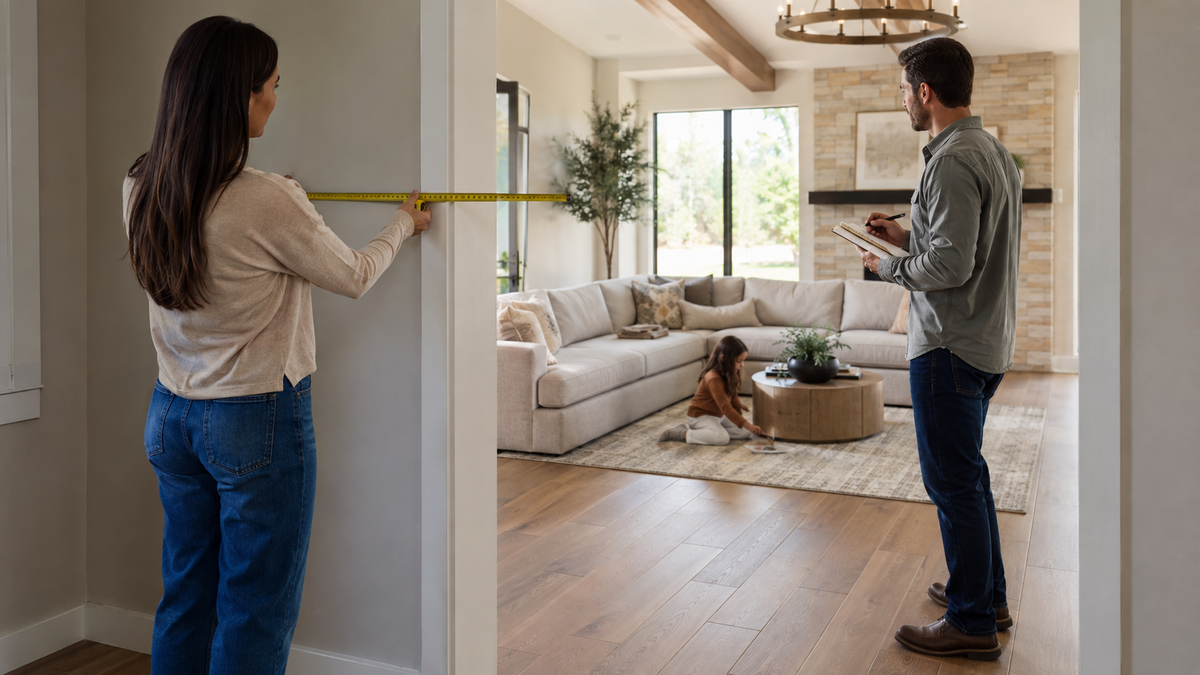
Custom Dreams, Custom Builds: Crafting Your Dream Home from the Ground Up

Custom Dreams, Custom Builds: Crafting Your Dream Home from the Ground Up
Building a custom home is more than just a construction project—it’s the realization of a vision, a place where every detail reflects your personality, lifestyle, and aspirations. Unlike mass-produced homes that offer limited customization, a custom build allows you to design a space that perfectly suits your needs, from the layout of the rooms to the materials used in every corner. This journey, while deeply rewarding, requires careful planning, patience, and collaboration with professionals who understand your vision. Whether you’re dreaming of a modern minimalist retreat, a cozy countryside cottage, or a sprawling family estate, crafting your dream home from the ground up is an opportunity to create something truly unique.
The Allure of Custom-Built Homes
There’s an undeniable charm to custom-built homes that pre-designed properties often lack. When you choose to build from scratch, you’re not constrained by the limitations of existing floor plans, outdated materials, or generic architectural styles. Instead, you have the freedom to incorporate features that cater to your specific wants and needs. Do you need a home office with soundproofing for late-night calls? A gourmet kitchen with high-end appliances for entertaining? Or perhaps a backyard designed for relaxation with a built-in fire pit and outdoor kitchen? The possibilities are endless, and every element can be tailored to enhance your daily life.
Beyond functionality, custom homes also offer a sense of ownership and pride that’s hard to match. Walking into a space that was designed with your input—and built with your preferences in mind—creates an emotional connection that pre-built homes simply can’t replicate. It’s a sanctuary that tells your story, whether through the choice of reclaimed wood flooring, the placement of large windows to capture natural light, or the inclusion of heirloom-quality finishes that add character.
Steps to Turn Your Vision into Reality
Turning a dream home concept into a tangible structure is a multi-phase process that requires strategic planning and professional guidance. Here’s a step-by-step breakdown of what to expect when embarking on a custom home build:
- Define Your Vision and Goals
Before breaking ground, take time to clarify what you truly want. Consider your lifestyle: Do you entertain often? Do you work remotely? What are your must-haves versus nice-to-haves? Create a vision board with inspiration images, sketches, or even a Pinterest board to visualize your ideal home. Think about long-term needs—will your family grow? Will mobility become a concern in the future? These considerations will shape the foundation of your design.
- Set a Realistic Budget
A custom home build is a significant investment, and costs can quickly escalate if not managed carefully. Work with a financial advisor or a custom home builder to establish a budget that covers not only construction but also permits, design fees, landscaping, and unexpected contingencies. Be transparent about your financial limits upfront so your team can tailor the project to fit your resources without compromising on quality.
- Choose the Right Location
The land you select will influence every aspect of your home, from its orientation to the materials used. Consider factors like soil quality, zoning laws, accessibility, and future development in the area. A picturesque lot in the mountains may require different construction techniques than a flat urban plot. Consulting with a real estate agent and a land surveyor can help you make an informed decision that aligns with your lifestyle and budget.
- Hire the Right Team
Your custom home build is only as good as the professionals behind it. Assemble a team of experts, including an architect, designer, builder, and possibly an interior designer. Look for professionals with experience in custom builds and a portfolio that resonates with your aesthetic. Communication is key—ensure your team understands your vision and is willing to collaborate closely with you throughout the process.
- Design with Functionality and Aesthetics in Mind
Collaborate with your architect to create a floor plan that balances beauty with practicality. Think about the flow of spaces—how you move from the kitchen to the living room, or how natural light enters each room. Incorporate sustainable design elements, such as energy-efficient windows, solar panels, or rainwater harvesting systems, to reduce your environmental footprint and long-term utility costs. Don’t forget to plan for storage, as custom homes often have unique spaces that require clever solutions.
- Navigate Permits and Regulations
Building a custom home involves navigating a web of local building codes, zoning laws, and permit requirements. Your builder or architect can typically handle this process, but it’s important to stay informed about timelines and potential delays. Some areas have strict regulations regarding home sizes, materials, or even the style of the exterior, so be prepared for possible compromises or additional costs.
- Oversee Construction with Regular Check-Ins
While you may not be on-site daily, regular visits to the construction site will help you stay updated on progress and address any concerns early. Keep open lines of communication with your builder to monitor timelines, budget adjustments, and quality control. Don’t hesitate to ask questions—whether it’s about the type of insulation being used or the timeline for installing countertops.
- Add the Finishing Touches
The final phase is where your home truly comes to life. Select finishes, fixtures, and furnishings that align with your design vision. This is the time to choose paint colors, flooring materials, cabinetry, and decorative elements. Consider working with an interior designer to ensure cohesion and style. Pay attention to details like hardware, lighting, and even landscaping, as these small touches can elevate the overall aesthetic.
- Conduct a Thorough Final Inspection
Before moving in, conduct a comprehensive walkthrough with your builder to identify any issues or incomplete work. Address these items in a punch list and ensure they’re resolved before closing out the project. Once everything is in order, it’s time to celebrate the completion of your dream home!
Challenges and How to Overcome Them
While building a custom home is an exciting endeavor, it’s not without its challenges. Unforeseen issues, such as delays due to weather, supply chain disruptions, or unexpected structural problems, can arise. However, these obstacles can be mitigated with thorough planning and flexibility. Maintain a contingency fund—typically 10-20% of your total budget—to cover surprise expenses. Stay patient and trust the process, knowing that each challenge is a step closer to your dream home.
Another common hurdle is decision fatigue. With countless choices to make—from cabinetry styles to flooring materials—it’s easy to feel overwhelmed. Break decisions into phases, prioritizing structural elements first, followed by finishes and furnishings. Don’t rush the process; take your time to research and select materials that you’ll love for years to come.
Sustainability and Future-Proofing Your Home
In today’s world, sustainability is no longer optional—it’s a responsibility. Custom homes offer the perfect opportunity to incorporate eco-friendly features that reduce your carbon footprint and save on utility bills. Consider installing solar panels, using reclaimed or locally sourced materials, and opting for energy-efficient appliances. Passive design strategies, such as strategic window placement for natural heating and cooling, can further enhance your home’s efficiency.
Future-proofing your home ensures it remains functional and comfortable as your needs evolve. Think about universal design principles, such as wider doorways and zero-step entryways, to accommodate aging in place. Plan for adaptable spaces that can serve multiple purposes, such as a guest room that can double as a home office. Investing in high-quality, durable materials will also extend the lifespan of your home, reducing the need for frequent renovations.
The Emotional Reward of a Custom Home
Beyond the tangible benefits, building a custom home is a deeply personal journey. It’s a testament to your vision, perseverance, and the relationships you’ve built with the professionals who helped bring your dream to life. Every creak of the floorboards, every ray of sunlight streaming through a window, and every gathering in the kitchen will carry the imprint of your choices.
There’s also a sense of accomplishment that comes with knowing you designed a space that’s uniquely yours. It’s a home that tells your story—whether it’s through the handcrafted dining table you selected, the garden you planted, or the bookshelf filled with your favorite reads. In a world where so much feels mass-produced, a custom home is a celebration of individuality and craftsmanship.
Final Thoughts: Is a Custom Build Right for You?
A custom home build is a significant undertaking, but for those who crave uniqueness, functionality, and a space that truly reflects who they are, it’s an investment worth making. It requires time, patience, and a willingness to embrace the unexpected, but the result—a home tailored to your every need—is unparalleled.
If you’re ready to embark on this journey, start by defining your vision, assembling the right team, and setting a realistic budget. Remember, the goal isn’t just to build a house, but to create a sanctuary that nurtures your dreams for years to come. With careful planning and a clear sense of purpose, your custom home will stand as a testament to what’s possible when you dare to dream big.