Cozy Corners: Creative Small Home Interiors That Maximize Space and Style
Introduction & Background
In today’s fast-paced world, more people are embracing the idea of compact living spaces that blend comfort with creativity. The trend of small home interiors has grown significantly as homeowners seek to maximize their space without sacrificing style or functionality. Whether it’s a cozy studio apartment or a tiny urban loft, the challenge lies in transforming limited square footage into a warm, inviting sanctuary. This article explores how thoughtful design choices can turn even the smallest corners of a home into stylish and efficient living areas that feel spacious and welcoming.
Concept & Overview
Cozy corners represent a design philosophy that focuses on optimizing small interiors through smart layouts, multipurpose furniture, and aesthetic enhancements. The core idea is to create functional zones within compact spaces while maintaining a sense of openness and warmth. Key principles include prioritizing vertical space, incorporating multifunctional pieces, and using light, neutral colors to visually expand the area. By blending practicality with visual appeal, cozy corners prove that small spaces can be both beautiful and highly livable.
Key Features & Highlights
- Smart Storage Solutions: Built-in shelves, under-bed drawers, and wall-mounted cabinets help keep clutter out of sight while making the most of every inch.
- Multifunctional Furniture: Items like sofa beds, extendable dining tables, and ottomans with storage serve dual purposes, saving space without compromising comfort.
- Light Color Palettes: Soft, neutral tones and reflective surfaces create an illusion of openness, making rooms feel larger and brighter.
- Strategic Lighting: Layered lighting with ambient, task, and accent lights enhances depth and ambiance in small areas, preventing them from feeling cramped.
- Vertical Expansion: Tall bookshelves, hanging plants, and wall-mounted desks draw the eye upward, drawing attention away from limited floor space.
- Open Layouts: Removing unnecessary walls or using furniture to define zones rather than enclose them fosters a sense of flow and continuity.
- Textured Accents: Cozy textiles, rugs, and cushions add warmth and personality, making compact spaces feel more inviting and lived-in.
Frequently Asked Questions / Pros & Cons
What are the biggest challenges of designing small home interiors?
One of the primary challenges is balancing functionality with aesthetics, as every piece of furniture and decor must serve a purpose while contributing to the overall look. Storage can also be limited, making it essential to adopt creative solutions like hidden compartments or foldable furniture. Additionally, small spaces often lack natural light, so artificial lighting plays a crucial role in shaping the ambiance.
Is it possible to make a small room feel more spacious without major renovations?
Absolutely. Simple changes like using mirrors to reflect light, opting for furniture with exposed legs to create a sense of airflow, and keeping surfaces clutter-free can instantly make a room feel larger. Painting walls in light colors and choosing streamlined decor also helps maintain an open, airy feel without the need for structural changes.
What are the pros and cons of using multifunctional furniture?
Pros: Multifunctional furniture saves space, reduces clutter, and often proves to be a cost-effective solution for small homes. It allows homeowners to enjoy multiple features without overcrowding the room.
Cons: Some multifunctional pieces may sacrifice comfort or durability for versatility. For instance, a sofa bed might not offer the same support as a traditional sofa. Additionally, poorly designed pieces can look bulky or out of place in certain settings.
How can I incorporate personal style into a small home interior?
Personal style can be reflected through carefully selected decor items, such as artwork, throw pillows, or statement furniture pieces that resonate with your taste. Choosing a cohesive color scheme or theme helps tie the space together, while textured elements like rugs or curtains add depth and character without overwhelming the room.
Are open floor plans always better for small spaces?
Open floor plans can make small spaces feel more expansive by eliminating visual barriers, but they are not always the best solution. Some areas, like bedrooms or home offices, benefit from a bit of separation to create a sense of privacy and focus. The key is to strike a balance between openness and defined zones based on your lifestyle and needs.
Practical Guidance & Solutions
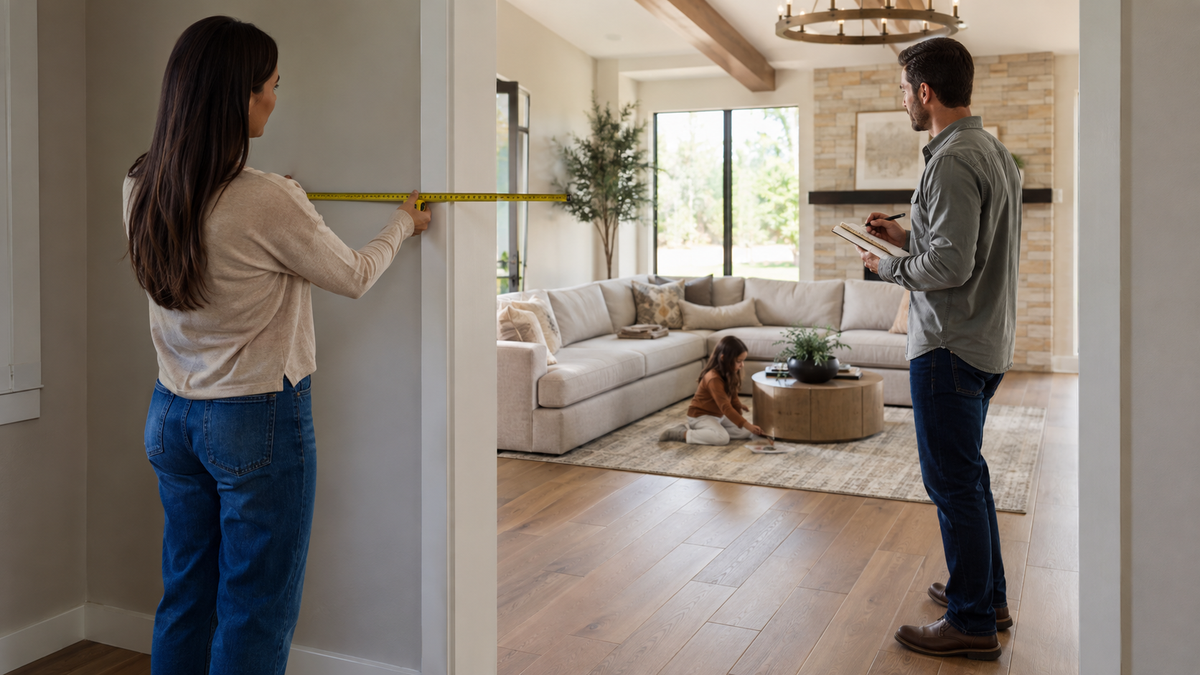
If you’re ready to transform your small home into a stylish and functional retreat, start by assessing your space and identifying its unique challenges. Begin with decluttering to create a clean slate, then measure your room to determine which furniture pieces will fit comfortably. Prioritize items that serve multiple purposes, such as a storage ottoman or a wall bed, to maximize efficiency.
Next, focus on lighting. Natural light is ideal, so keep window treatments minimal and opt for sheer curtains if privacy is a concern. For artificial lighting, layer different types to create depth. Use floor lamps for ambient light, under-cabinet lighting in kitchens, and small table lamps for cozy reading nooks.
Consider vertical storage solutions like floating shelves or tall bookcases to draw the eye upward and free up floor space. Mirrors are also a powerful tool for small rooms, as they reflect light and create the illusion of a larger area. Place a large mirror opposite a window to amplify natural light, or use a series of smaller mirrors to add visual interest.
Finally, don’t forget the power of texture and color. Soft rugs, plush cushions, and layered textiles add warmth and comfort, making your space feel inviting rather than cramped. Choose a cohesive color palette to maintain a harmonious look, and don’t be afraid to experiment with patterns or bold accents in moderation.
Conclusion
Small home interiors no longer have to feel limited or cluttered. With a little creativity and strategic planning, even the tiniest corners can become cozy, stylish sanctuaries that reflect your personality and meet your needs. By embracing multifunctional furniture, smart storage solutions, and thoughtful design choices, you can transform compact living spaces into homes that feel both spacious and inviting. Remember, the goal is not just to maximize square footage but to create a space that nurtures comfort, style, and functionality in equal measure. Start small, think big, and let your cozy corner become a testament to the beauty of efficient design.