The Lifeblood of Rural Sanitation: Why Regular Septic Pumping Is Essential
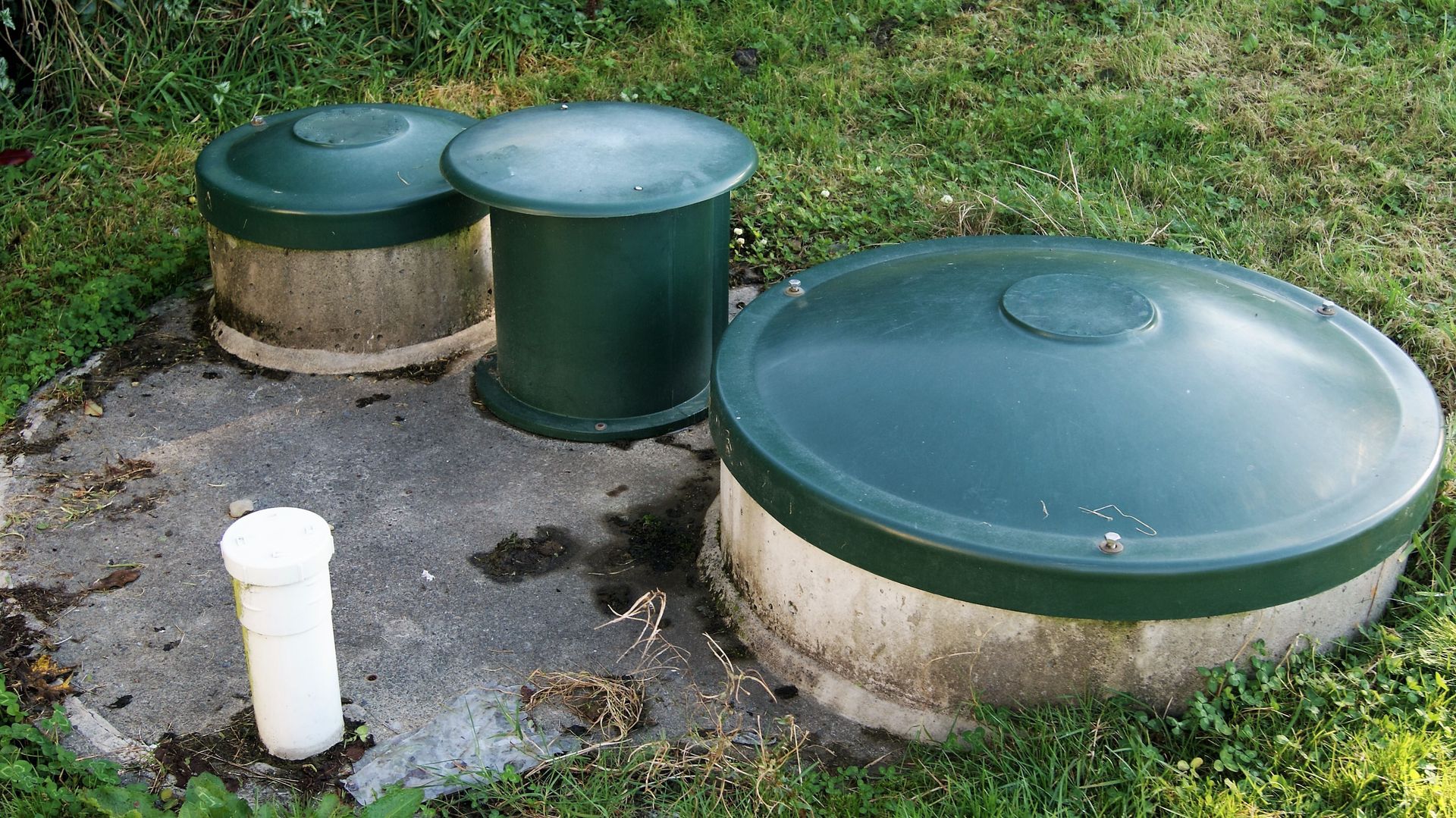
For homeowners living beyond the reach of municipal sewer lines, a private septic system is an indispensable utility. Quiet, efficient, and underground, a septic system works continuously to collect, treat, and dispose of household wastewater. Because it operates largely out of sight, however, it is frequently out of mind. Many property owners give little thought to what happens beneath their lawn until a sudden backup or foul odor signals a major crisis.
Understanding how a septic system functions makes it clear why routine septic pumping near me is not merely an optional maintenance chore, but an absolute necessity. Pumping your septic tank on a regular schedule is the single most critical action you can take to prevent system failure, safeguard public health, save money, and extend the lifespan of your home investment.
How a Septic System Processes Wastewater
To appreciate the importance of regular pumping, one must first understand the internal mechanics of a septic tank. Every time water goes down a drain, whether from a shower, sink, toilet, or washing machine, it flows directly into the underground septic tank. Once inside, the incoming wastewater is divided into three different strata according to density by natural processes.
The scum layer is the uppermost layer. It consists of light materials that float, such as fats, oils, grease, and soap suds. The middle layer is clear liquid, often called effluent or gray water. The bottom layer is the sludge layer, comprised of heavy inorganic matter, solid human waste, and food scraps that settle at the base of the tank.
Inside the tank, naturally occurring anaerobic bacteria work to break down the organic solids in the sludge and scum layers. However, these bacteria cannot consume everything. Inorganic materials and stubborn compounds remain behind, continuously building up over time. The middle layer of liquid effluent periodically flows out through an outlet pipe into a subterranean drain field, where the surrounding soil naturally filters and purifies the water before it reaches groundwater reserves.
The Accumulation Problem and Why Pumping Is Required
While the liquid effluent continuously exits the tank into the drain field, the scum and sludge layers remain trapped inside. As daily water usage continues, the layer of heavy solids at the bottom rises, and the layer of floating scum at the top thickens. Over time, this dual growth shrinks the active zone of liquid water in the middle of the tank.
When the solid layers occupy too much space, wastewater has less time to settle properly before being pushed out toward the drain field. If left unserviced, solid debris will eventually exit through the outlet pipe and wash straight into the drain field pipes. This leads to severe clogs in the soil pores, preventing the drain field from absorbing liquid.
Once the drain field becomes clogged or saturated with solid waste, the entire system grinds to a halt. The liquid wastewater has nowhere to go except to back up into household plumbing fixtures or pool onto the surface of your yard. Septic pumping removes the accumulated sludge and scum layers entirely, resetting the tank’s capacity and ensuring that only clear liquid enters the drain field.
Preventing Costly System Failures and Property Damage
The financial argument for regular septic pumping is overwhelming. A standard septic tank pumping service is a relatively minor home maintenance expense, typically recommended every three to five years depending on household size and water usage. In contrast, replacing a completely failed septic system or a clogged drain field can cost tens of thousands of dollars.
When solids clog the drain field, simple pumping is rarely enough to fix the problem. Biomat and hard solids pollute the soil around the absorption trenches, necessitating substantial excavation, soil restoration, and the installation of brand-new pipes and distribution boxes. In severe cases, the entire septic system must be relocated to a new area of the property, assuming sufficient space exists.
Beyond structural replacement costs, septic backups can cause immense physical damage inside the home. Sewage backing up through floor drains, toilets, and bathtub basins leads to hazardous structural contamination, severe water damage, and costly professional cleanup services. Regular pumping acts as an inexpensive insurance policy against these catastrophic financial losses.
Conclusion
A septic system is one of the most vital yet overlooked components of a rural or suburban home. While it operates quietly underground every single day, its ability to safely process waste relies entirely on regular care and maintenance. Allowing sludge and scum to accumulate unchecked will inevitably lead to clogged drain fields, expensive property damage, and environmental contamination.
By prioritizing routine septic pumping every few years, homeowners can maintain optimal waste treatment, protect family health, conserve the surrounding ecosystem, and avoid devastating repair bills. Investing in routine preventive care ensures that your septic system remains reliable, functional, and healthy for decades to come.