Opening Up the Room: Top Glass Sliding Door Designs for Small Homes
In the pursuit of maximizing space and enhancing light within a small home, traditional hinged doors often become an obstacle. Their required swing radius eats up precious floor and wall space, limiting furniture placement and making tight corridors feel even more cramped. This constraint has fueled the rising popularity of Glass Sliding Doors in Las Vegas – KNR Sliding Doors in modern interior design. Far more than just a functional entry point, these doors are a strategic design element that transforms confined living spaces into areas that feel open, airy, and flooded with natural light. By eliminating the need for a swing path, sliding doors reclaim square footage and, through their transparent nature, visually expand the boundaries of the room.
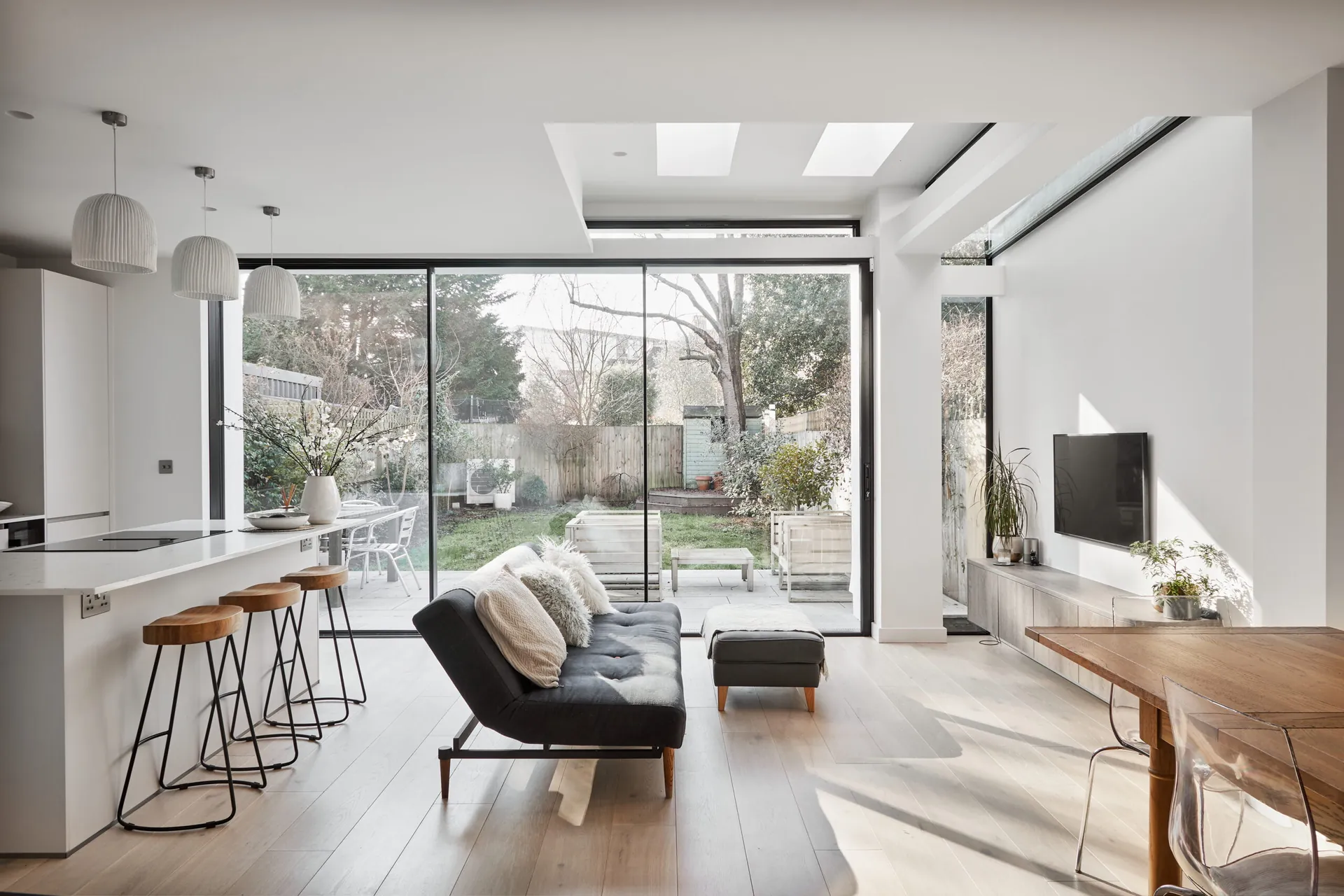
For small homes, the right choice of glass sliding door design can create a seamless flow between rooms or blur the line between indoor and outdoor living, making a modest footprint feel expansive. The key is selecting a style that offers maximum visual impact while maintaining privacy and noise separation where needed. It’s an architectural trick that uses light and glass to redefine the spatial geometry of a home.
The Stylish Divider: Barn Door Systems with Glass
While traditional barn doors are typically solid wood, modern design has adopted the visible track system for stylish glass doors. Known as surface-mounted sliders, these doors hang from a rail mounted above the door opening and slide along the wall. While they require clear wall space for the door to slide open onto, they do not take up any floor space.
Using a metal-framed glass door on a barn track offers a rustic-meets-industrial aesthetic that is highly contemporary. This design is excellent for creating a flexible division in an open-plan small home. For instance, a glass barn door can separate a living area from a bedroom or an office nook without blocking light. When the door is closed, the glass panel allows light to pass through, maintaining the airy feel of the open concept while offering crucial sound dampening and privacy. The visible hardware itself becomes a decorative element, adding character to the small space.
The Wall of Light: Multi-Panel Bypass and Bi-Fold Doors
For maximizing light and access to an exterior area, such as a small patio or balcony, multi-panel glass sliding doors are unmatched. These designs are perfect for blurring the indoor-outdoor boundary, which is a powerful way to make a small interior space feel larger.
Bypass Doors are commonly used for closets but, when scaled up, they work beautifully as exterior doors. They involve two or more panels that slide past each other on parallel tracks. They are space-saving because no panels swing out; however, only half of the opening can ever be accessed at one time.
Bi-Fold (or accordion) Doors offer a dramatic solution, particularly in small extensions or additions. These doors consist of multiple panels hinged together that fold up against the wall like an accordion when opened. This allows for nearly the entire wall opening to be cleared, truly opening the interior to the exterior space. While bi-fold systems take up a small amount of space when stacked at the side, the sensation of bringing the outdoors in far outweighs this minor intrusion, giving the impression of an enormous, fluid living area.
Frameless and Frosted: Focusing on Visual Flow
The choice of frame and glass type is just as important as the door mechanism itself, particularly in the context of maximizing space in a small home.
Frameless Glass Doors provide the most minimalist aesthetic. By eliminating bulky surrounding materials, the focus remains solely on the unbroken sheet of glass, enhancing the visual connection between rooms. This design is excellent for maintaining sight lines and light flow, crucial elements for making a small interior feel larger and less compartmentalized. Frameless systems rely on minimal hardware—often small clamps and sleek tracks—to achieve their floating, sophisticated look.
Frosted or Textured Glass is a strategic solution for privacy without sacrificing light. In small homes, certain areas like laundries, private offices, or walk-in closets are often tucked into tight corners and need closure, but blocking all light would make the area feel like a cave. Using frosted or sandblasted glass allows daylight to flood the room while obscuring the view. This maintains the continuous visual flow of light throughout the space while offering the necessary level of discretion.
Conclusion: A Strategic Investment in Openness
For homeowners facing the challenge of limited square footage, glass sliding doors offer one of the most effective architectural strategies for transforming the living environment. They are not merely doors; they are instruments of light and space. Whether through the complete disappearance of a pocket door, the industrial elegance of a barn door system, or the dramatic openness of a bi-fold glass wall, these designs eliminate barriers and promote a sense of fluid, expansive living. By carefully selecting the right mechanism and glass type, a small home can shed its confined feeling and embrace an open, light-filled aesthetic that maximizes both space and comfort.