Energy Efficiency Explained: Are Fan Heaters Cost-Effective?

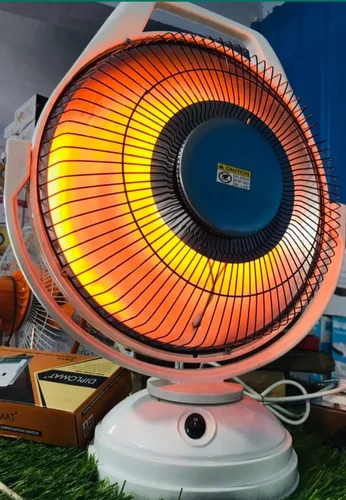
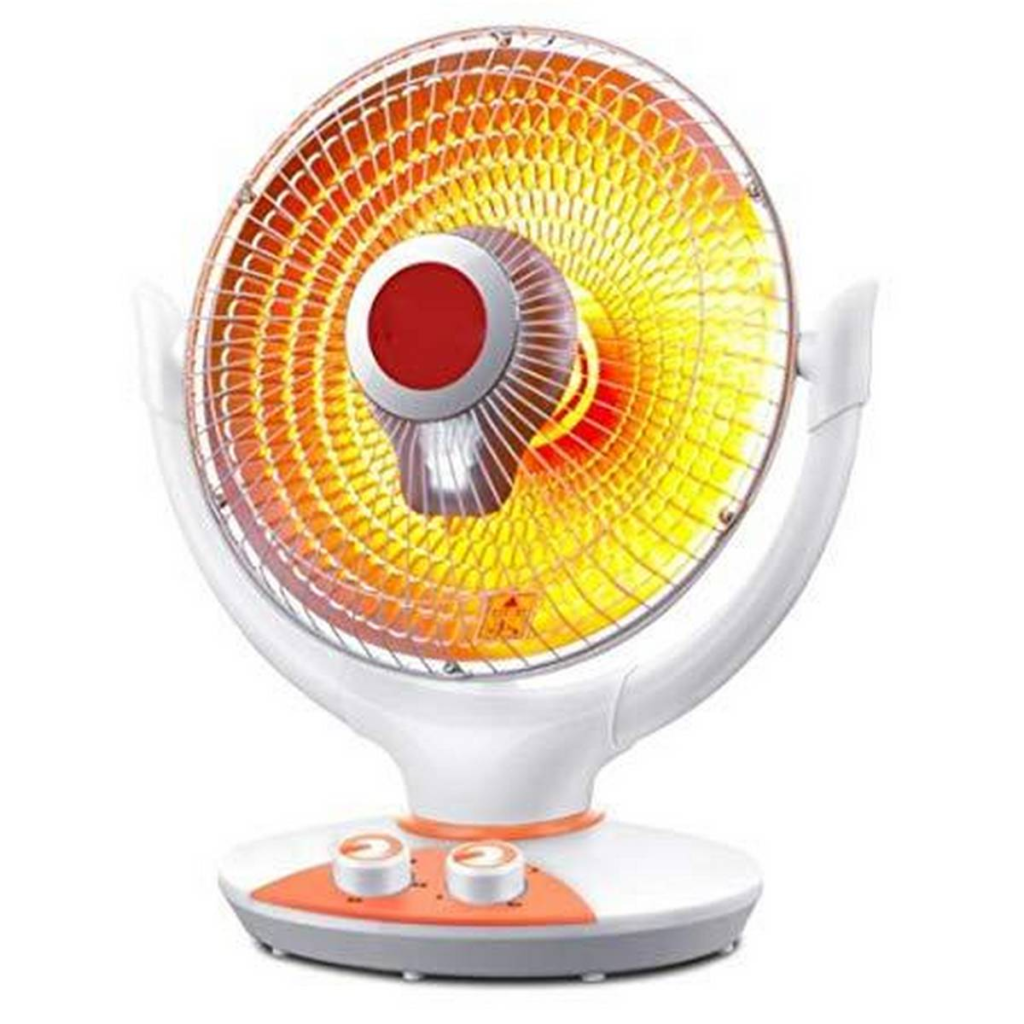
Fan heaters are compact, quick, and easy to operate. Plug it in, twist the dial, and you’ll feel warm air blowing into the room within minutes.
It’s no surprise people love to crank up portable heaters when temperatures plummet.
But do they run cheaply? It depends. Let’s look closer at when using a fan heater makes financial sense—and when it doesn’t.
How does a fan heater work ?
Electric fan heaters use electricity to warm a metal component inside the appliance. A fan then blows air across the heated element and into your room. This design is highly efficient. Practically all of the electricity that comes into the heater ends up as heat in your room. In that regard, an electric fan heater is as efficient as it gets.
Efficiency isn’t the same thing as low-cost usage, though. Electricity tends to cost more per-unit than natural gas. A heat pump, for example, will generate more heat for every unit of electricity compared to a traditional fan heater. Plus, electric rates vary wildly based on where you live.
The bottom line is this: even though your fan heater won’t waste electricity while it’s running, it may still cost more to run than other heating options.
How much power does a heater use?
Fan heaters typically range from 1,000 watts to 1,500 watts. A 1,500-watt heater will use 1.5 kilowatts of power for every hour it runs on high.
- Cost = Heater power (in kW) × Hours used × Electricity rate
If you have a 1,500-watt heater and you run it for three hours, your electricity rate is 15 cents per kilowatt-hour. Using the formula above, here’s how you’d determine electricity cost:
- 1.5 kW x 3 hours x $0.15 = $0.675
The heater will cost you about 68 cents to run for those three hours.
Doesn’t sound too bad, does it? That’s because three hours doesn’t use very many kilowatt-hours. But what if you run it three hours per day? Now you’re looking at nearly $20 per month. Eight hours per day and you’ve hit $50 per month or more.
Keep in mind, electricity rates can be much higher than 15 cents per kWh. Find your actual rate on a recent electricity bill.
When fan heaters will save you money
Portable electric heaters work best for zone heating. Zone heating is where you only heat the room you’re actively using.
For example, you may have a home office that you work out of during the day. Rather than turning up your thermostat for the entire house, you could keep your central heating at a lower temperature and run a fan heater in your office.
This allows you to save money if:
- The room is small and separate from the rest of the house.
- It’s reasonably well insulated.
- You only turn on the heater when you occupy the room.
- You lower the thermostat on your central heating system accordingly.
- You don’t have to run the heater all day long.
Fan heaters are also great for cold bedrooms, bathrooms, workshops, garages, or anywhere you need some fast heat for a short amount of time.
Say you want to take a warm shower in the winter. Running a heater in the bathroom for 15 minutes beforehand can take the chill off. Little usage like that isn’t going to drive up your electricity bill. Running the heater all night because your bedroom feels cold isn’t much of an upgrade.
When fan heaters aren’t cheap
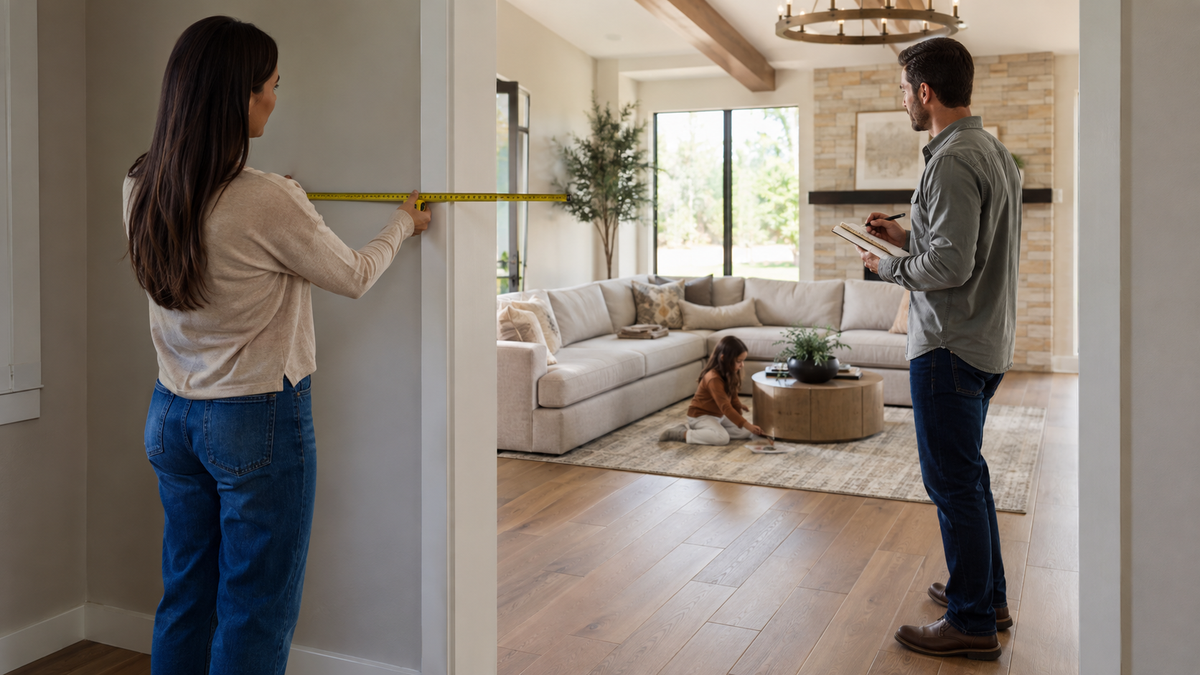
It’s rare that using a fan heater is a good idea for heating an entire home. They’re also not ideal for large rooms with high ceilings, open floor plans, older windows, and/or poor insulation.
That’s because the heater will continually run to compensate for heat that quickly escapes. Not only will you pay for that heat, but you’ll receive limited warmth and comfort from it.
Heaters can also become costly if you’re trying to use one to “fix” an uneven heating issue. Say one room in your home is always cold. There could be air leaks in the walls, poor insulation, blocked vents, or something wrong with your HVAC system.
A space heater can help disguise the problem, but it won’t fix the root cause.
Before grabbing the nearest heater, try inexpensive solutions. Seal gaps around windows and doors. Use heavy curtains at night. Install a door sweep. Make sure vents in that room aren’t blocked by furniture.
These small changes can help retain heat longer than your heater can produce it.
Fan heaters vs. heat pumps
Traditional electric heaters produce one unit of heat for every unit of electricity they use. Heat pumps operate differently. It transfers heat from outside air into your home.
Heat pumps can produce two to three units of heat for every unit of electricity. For that reason, heat pumps are almost always cheaper to run during an entire heating season. But don’t write off electric heaters just yet. Heat pumps slowly raise the temperature of an entire area. A fan heater gives you almost instantaneous heat right where you need it.
A heat pump is great at heating your whole home. A fan heater is great at heating you. So, if you have a heat pump and are wondering whether to use a space heater instead, the answer isn’t cut and dry. If your home already contains a heat pump, it might cost less to increase your thermostat by a degree or two. But that also depends on the outdoor temperature, your electricity rate, and how big an area you’re trying to heat.
Real-World Example of Efficient Fan Heater Use: Zone Heating
Zone heating – heating the room you are actually using rather than the entire property – is a great example of how using a portable electric fan heater can make sense from a financial perspective.
As explained by the U.S. Department of Energy (DOE), zone heating your home can lead to energy savings by separately heating occupied rooms or areas instead of trying to keep the entire home at one temperature. The DOE points out that this principle is “especially true for portable electric heaters.”
Take a person working from home in an office for a few hours one cold morning. Using a fan heater in the occupied room could allow them to keep the rest of the house at a lower temperature instead of turning up central heating that will warm the entire home.
Of course, a fan heater isn’t going to have a lower cost per kWh than other forms of electric heating – if it did, everyone would use them! The benefit comes from using the heater only where and when you need it.
Let’s say that the 1,500-watt heater mentioned above runs for two hours straight. That equals about 3 kWh of electricity. If the heater is turned off when the room isn’t occupied, total energy usage could be far less than heating the whole house.
Keep in mind that the DOE also points out that because heat pumps move existing heat from one place to another, they can deliver more than one unit of heating energy for every unit of electrical energy they consume. This makes comparisons of whole-home heating costs a little more complicated.
Essentially, fan heaters are most useful when you need quick, local heat for a relatively short period. When you’re heating a large area or leaving the heater running continuously to compensate for poor insulation, they’re less attractive.
Questions About Fan Heater Energy Efficiency Answered
Are fan heaters energy efficient?
Electric fan heaters are very efficient at turning electricity into heat at the point of use. Nearly 100% of the electricity they consume will be converted into thermal energy. But efficiency doesn’t always equal cheap!
How much a heater costs to run depends on how much electricity you’re charged for and how long the heater is on. Let’s look at some of these questions in more detail.
Are fan heaters expensive to run?
Possibly. Running any electric heater continuously will add to your electricity bill. A 1,500-watt heater running for one hour will consume 1.5 kWh of electricity.
How much does a 1,500-watt fan heater cost to run?
The simplest way to calculate this is; power (in kW) x hours used x cost of electricity per kWh = running cost
So, a 1,500 watt heater divided by 1,000 equals 1.5 kW. Running it for one hour will use 1.5 kWh of electricity. If your electricity costs $0.20 per kWh, one hour will cost you around 30 cents.
Cheap Fan Heater Tips
Obviously, your electricity tariff will vary. Check a recent electricity bill for the exact price you’re paying per kWh.
Do ceramic fan heaters use less electricity than coil heaters?
Not really. A 1,500 watt ceramic heater uses roughly the same amount of electricity as a 1,500-watt coil heater.
How electricity is used does vary by heater type. For example, some PTC ceramic heaters automatically reduce their output as the heater element gets hotter. But overall consumption is determined by the heater and controls.
Is it cheaper to use a fan heater or central heating?
There’s no single answer that suits every household. Using a fan heater for a couple of hours in a small room you’re actually using can be more affordable than central heating. Try leaving the larger heater off!
On the other hand, using a fan heater to keep a large home warm on its own could be quite expensive. A properly designed central heating system will usually be cheaper for whole-home heating.
Are fan heaters cheaper than heat pumps?
In most cases, yes. Heat pumps are more energy efficient at providing sustained heating. They use existing heat and move it from one place to another instead of generating heat directly.
Again, there are times when a fan heater may be a useful supplemental heating option. When you need to heat a small space for a short period of time, fan heaters can provide quick localized heat.
What is zone heating?
Heating only the spaces in your home that you’re actually using. Rather than heating all rooms to the same temperature, portable fan heaters can be moved to provide heat where and when you need it.
Can a fan heater save you money?
It depends! Using a fan heater could save you money if it lets you heat a small occupied room rather than increasing heating throughout your entire home.
Actual savings will depend on factors such as your existing heating system, the cost of electricity in your area and how well your home is insulated. How long you run the heater also makes a big difference.
Does putting a thermostat on a fan heater make it cheaper to run?
Yes, assuming you use it correctly. A thermostat will automatically switch off or reduce the heater when the room reaches the desired temperature.
This can help avoid having the heater running continuously at its highest setting when the room is already hot enough.
Does a higher wattage fan heater cost more to run?
Yes, if you run two heaters for the same amount of time at full power. A 2,000 watt heater will use twice as much electricity per hour as a 1,000 watt heater.
But remember that because the higher-wattage heater will produce more heat, it may not need to run as long. Total running time is also important if you’re comparing running costs.
How can I use my fan heater cheaply?
Only for short periods. Only heat the room you’re actually using. Set the heater to the lowest comfortable temperature and power setting. Close doors and block any draughts. And remember to keep windows closed.
Should I leave my fan heater on all day?
No. Fan heaters that are left on all day will use a lot of electricity. Only turn your heater on when you need the extra heat. Use thermostat or timer functions where possible.
Can installing insulation save me money on fan heater costs?
Yes! By slowing the rate at which heated air escapes from a room, you can reduce how often and how long you need to run your fan heater.
Why does my fan heater keep running?
Your heater will continue running until the room reaches the temperature set on its thermostat. Some common causes of longer run times include poor insulation, draughts, thermostats that have been poorly positioned or a heater that isn’t powerful enough for the space.
Is a fan heater a good idea for heating a large room?
It really depends on the room itself. A fan heater can make a good supplemental heater, but will likely struggle to heat a large open space or a room with poor insulation.
Check the manufacturer’s suggested room size and heater output before making a purchase.
Are fan heaters good for bathroom heating?
Yes, but only when you need quick heat for a short period of time. And only use a heater that’s specifically designed and certified for use in bathrooms.
Water and electricity don’t mix. If you do use your heater in a bathroom, follow the manufacturers instructions carefully and follow all applicable electrical safety requirements.
How do I lower my fan heater electricity bill?
First you can reduce your heater’s operating time. Use it only in occupied rooms, pick a lower heat setting if possible and use the thermostat correctly. Block draughts where possible.
Also try not to use it as a replacement for your home’s central heating system. Using an undersized portable heater to heat a large area will always cost more.
Are electric fan heaters 100% efficient?
In terms of converting electricity into heat at the point of use, yes they are. Electric resistance heaters convert almost all of the electricity they consume into heat.
But using the term “100% efficient” can be misleading when discussing entire heating systems. As explained by the DOE, the efficiency of electricity generation and distribution as well as how the heater delivers heat to your home are also factors.
Is it better to use a fan heater or turn up the thermostat?
Again, it depends. If you’re only heating one room, using a fan heater can save you from heating your entire home. But if everyone is home for several hours, it may be more cost-effective to use a heating system that was designed to heat your whole home.
Which safety features are important for energy efficient fan heaters?
Energy efficiency isn’t worth putting your family at risk. Look for heaters with features such as overheat protection, tip-over switches, thermostats, multiple heat settings and certifications from trusted approval organizations.
Safe positioning of the heater and correct electrical installation are also important.
Final Words
One last thing: safety should be your top priority when using any kind of heater. Fan heaters produce a lot of heat in a small area. Keep the unit on a flat, hard surface and nowhere near curtains, bedding, paper, furniture, and rugs.
Plug it into the wall. Don’t use an extension cord or power strip unless the manufacturer recommends it. Never cover your heater with anything, and don’t get it wet. Look for safety features like tip-over protection and overheat protection. While these features won’t prevent every accident, they can help reduce your risk.