Why a New Heating System Can Still Struggle in Winter: The Role of Ductwork, Sizing and Installation
A brand-new furnace should make a home feel warmer, right? Usually, yes. But some homeowners discover that cold rooms, long run times, or uneven temperatures continue even after replacing old equipment. The reason is often simple: the heating unit is only one part of the system. Ductwork, equipment sizing, and installation quality can matter just as much as the furnace itself.
New Equipment Cannot Fix Bad Ductwork
A furnace can produce plenty of heat and still fail to deliver it where it is needed.
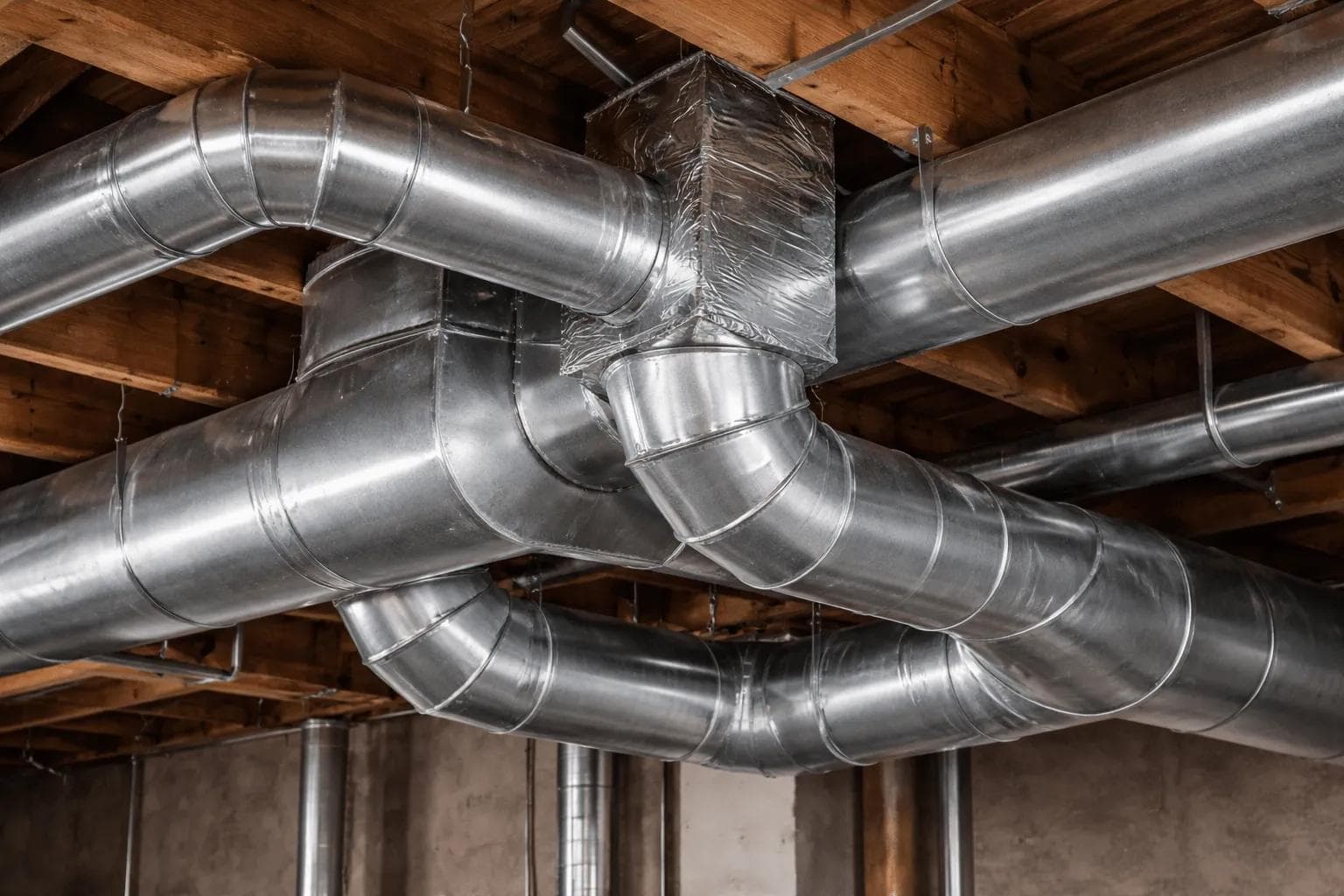
Older duct systems may have leaks, crushed sections, loose joints, or poor layouts. Heated air can escape into basements, attics, or wall cavities before it ever reaches a bedroom or living area. In other cases, ducts may simply be too small to carry the volume of air the new system produces.
Typical warning signs include:
- Strong airflow in some rooms but barely any in others
- Whistling or rattling sounds from vents
- Rooms that stay cold even during long heating cycles
- Unusually warm utility spaces near duct runs
A technician performing home heating repair may find that the furnace itself is working correctly and the real problem sits several feet away in the duct system.
Bigger Is Not Always Better
One common mistake is assuming a larger heating system will heat a house more effectively. Oversized equipment can actually create comfort problems.
A furnace that is too powerful may warm the area around the thermostat quickly and shut off before heat reaches distant rooms. This short cycling can produce noticeable temperature swings. It may also put unnecessary wear on components.
An undersized system brings a different problem. It can run almost constantly during cold weather and still struggle to maintain the thermostat setting.
Proper sizing should consider more than square footage. Ceiling height, windows, insulation levels, air leakage, home orientation, and local winter conditions all affect heating demand.
Installation Details Matter More Than They Look
Even properly sized equipment can perform poorly if installation work is rushed.
Airflow settings, thermostat placement, electrical connections, venting, and duct transitions all affect performance. A small setup error may not be obvious during mild weather, but it tends to show up once temperatures drop.
This is where experienced HVAC services become especially useful. A good technician looks at the entire system instead of checking only whether the furnace turns on.
| Symptom | Possible Cause |
| Furnace turns on and off frequently | Oversized system or thermostat issue |
| Weak airflow | Duct restriction or incorrect blower setup |
| Certain rooms stay cold | Duct imbalance or heat loss |
| System runs constantly | Undersized equipment or poor insulation |
A Good Installation Starts with the House
Successful Heating installation should begin with an evaluation of the home, not just the old furnace model number.
That often means checking duct condition, measuring airflow, reviewing insulation, and calculating heating demand before choosing equipment. One detail homeowners sometimes miss is that replacing a furnace with a newer model can change airflow characteristics enough to expose duct problems that were already there.
And that explains why a new system can still feel disappointing.
The equipment may be new, but the rest of the house is not. When winter comfort falls short, looking at the whole heating system usually reveals more than blaming the furnace alone.