7 Outdoor Trends Taking Over Urban Backyards
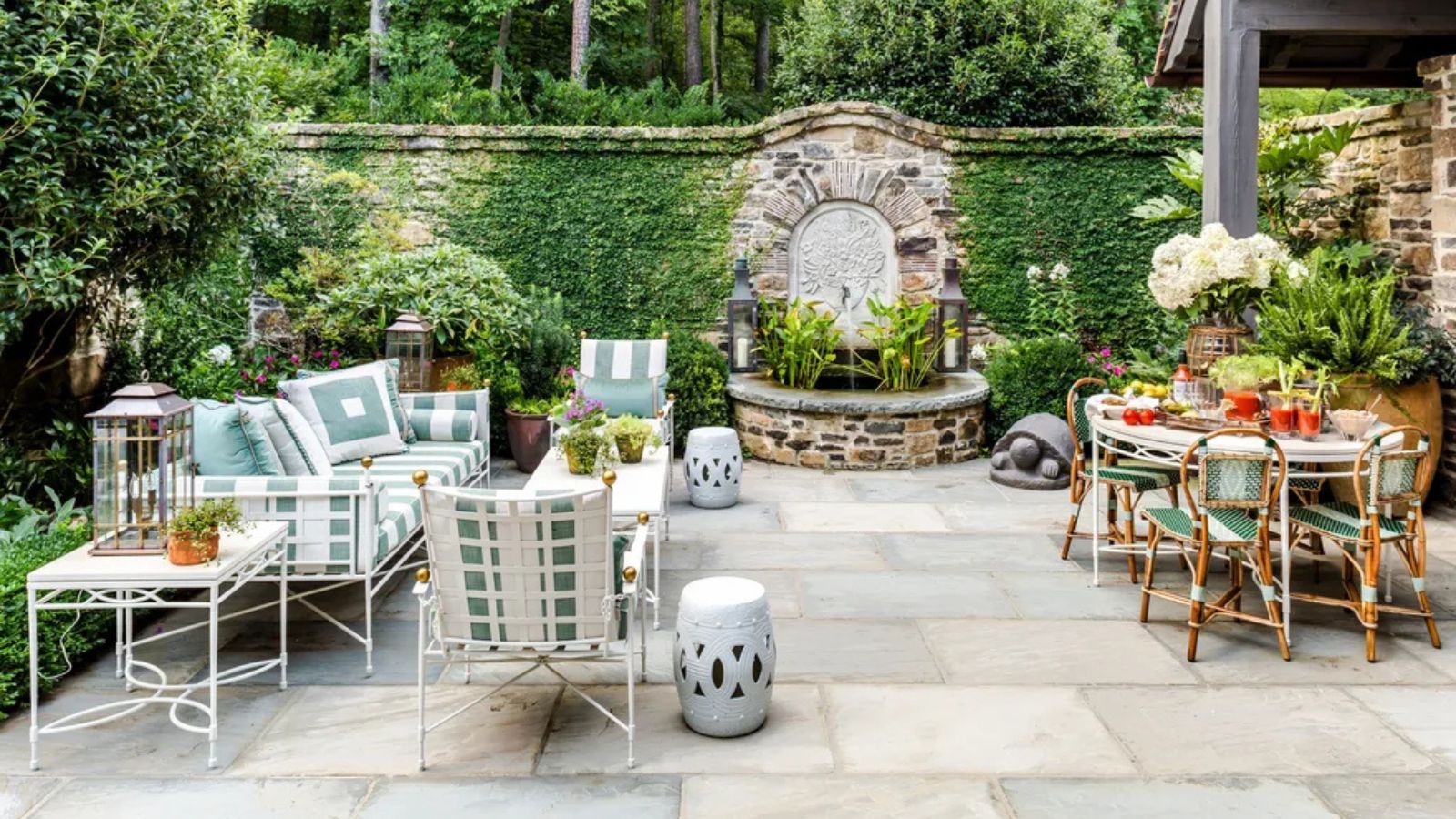
Urban backyards are undergoing a quiet transformation. What were once overlooked patches of concrete or patchy grass are now being reimagined as purposeful, design-led extensions of the home.
With space at a premium, city dwellers are becoming more inventive, creating outdoor areas that feel just as considered as their interiors.
From compact kitchens to atmospheric lighting, these trends are making every square metre count. Done well, even the smallest backyard can become a place to unwind, entertain, and reconnect with a slower pace of living.
1. Rise of Vertical Gardens
When floor space is limited, the only way to go is up—and vertical gardens do this beautifully.
Living walls, hanging planters, and trellis systems allow greenery to flourish without encroaching on valuable ground space. Beyond their visual appeal, they soften hard urban surfaces and introduce a sense of calm that is often missing in city environments.
The key is choosing plants that suit your conditions. Ferns, ivy, herbs, and hardy succulents tend to thrive with minimal maintenance. Structured planters in wood or metal add a polished finish, while repurposed pallets can offer a more relaxed, organic look.
In many urban settings, these installations have turned blank walls into striking focal points, which is proof that even the most compact space can carry impact.
2. The Popularity of Multifunctional Outdoor Furniture
In a small backyard, every item needs to earn its place. Multifunctional furniture answers this need quite cleverly.
Storage benches keep clutter out of sight while providing seating. Foldable tables adapt to different occasions, from a quiet morning coffee to a full dinner setup. Modular seating can be rearranged as needed, shifting effortlessly between lounging and entertaining.
This flexibility allows outdoor spaces to evolve throughout the day without feeling crowded. It also introduces a sense of order, which is essential in tighter layouts.
The result is a garden that feels open, adaptable, and far more spacious than its footprint suggests.
3. Outdoor Kitchens and Dining Areas
The boundary between indoor and outdoor living continues to blur, and nowhere is this more evident than in the rise of outdoor kitchens.
You do not need a full renovation to make this work. A well-placed barbecue, a compact prep surface, and practical storage can create a functional cooking zone. Add a small fridge or cooler, and the space quickly becomes entertainment-ready.
What elevates the experience is the atmosphere. Soft lighting, layered textiles, and thoughtful seating turn a simple setup into somewhere people want to linger.
Even in modest spaces, an outdoor dining area introduces a sense of occasion—transforming everyday meals into something more relaxed and social.
4. Sustainable Materials for Eco-Conscious Living
Sustainability is no longer a niche consideration. It is shaping how urban gardens are designed from the ground up.
Materials such as reclaimed wood, recycled metal, bamboo, and natural fibres offer durability without compromising environmental responsibility. They also bring texture and warmth, helping outdoor spaces feel grounded rather than overly manufactured.
Sourcing locally adds another layer of value. It reduces transport costs, while supporting nearby makers and suppliers. Plus, you often get unique pieces.
For those who enjoy a hands-on approach, incorporating repurposed materials can add character while reducing waste. The end result feels personal, considered, and aligned with a more mindful way of living.
5. Incorporating Water Features
There is something undeniably calming about the sound of water. In urban environments, where noise is constant, even a small water feature can shift the mood entirely.
Compact fountains, wall-mounted designs, or container water gardens work well in limited spaces. They introduce movement and sound without overwhelming the layout.
Solar-powered options are particularly appealing, offering an energy-efficient solution that is easy to maintain. Regular cleaning and occasional treatment keep the water clear and the system running smoothly.
Used thoughtfully, a water feature becomes more than decoration—it becomes a focal point that invites you to slow down.
6. Outdoor Lighting That Works Beyond Sunset
Lighting is often the element that brings everything together. It extends the usability of a garden while shaping its overall atmosphere.
Solar-powered LEDs are a practical choice, offering longevity with minimal upkeep. But beyond functionality, it is the layering of light that creates impact.
String lights introduce a relaxed, informal charm. Wall-mounted fixtures save space while providing structure. Floor and pathway lighting add depth and improve safety.
When combined, these elements create a space that feels considered rather than overly staged. Subtle adjustments—such as timers or dimmers—allow the mood to shift effortlessly from lively gatherings to quiet evenings outdoors.
7. Smart Tech for Smarter Gardens
Technology is making its way into urban gardens, and it is changing how people manage and enjoy their outdoor spaces.
Smart irrigation systems, for example, take the guesswork out of watering by adjusting schedules based on weather conditions. This not only keeps plants healthier but also reduces water waste—an important consideration in city living.
App-controlled lighting and outdoor speakers are also becoming more common, allowing you to adjust the mood of your space with minimal effort. Whether it is dimming the lights for a relaxed evening or setting up music for a gathering, everything can be controlled from your phone.
Even compact weather sensors and automated plant care systems are gaining traction, particularly among those who want a thriving garden without constant upkeep.
These additions do not need to be complex or expensive. A few well-chosen upgrades can make your outdoor space feel more responsive, efficient, and in tune with modern living.
When to Call Local Gardening Professionals
While many of these trends can be tackled as DIY projects, there are times when expert input makes all the difference. Designing within a small urban footprint often requires careful planning, especially when combining multiple elements like vertical planting, lighting, and water features.
This is where local Bristol gardening professionals can step in. They have a clear understanding of regional conditions, space constraints, and design trends. That’s precisely why they can bring ideas together in a way that feels cohesive rather than crowded.
Professional gardeners can also advise on plant selection, install more complex features, and ensure everything is built to last—particularly important for structural elements like decking, irrigation systems, or integrated lighting.
Conclusion
Urban outdoor spaces are no longer an afterthought. They are becoming some of the most expressive and functional areas of the home.
The shift is not about following trends for the sake of it, but about responding to the realities of city living with creativity and intention.
With the right approach, even the smallest backyard can offer something rare in a busy city—room to breathe.